
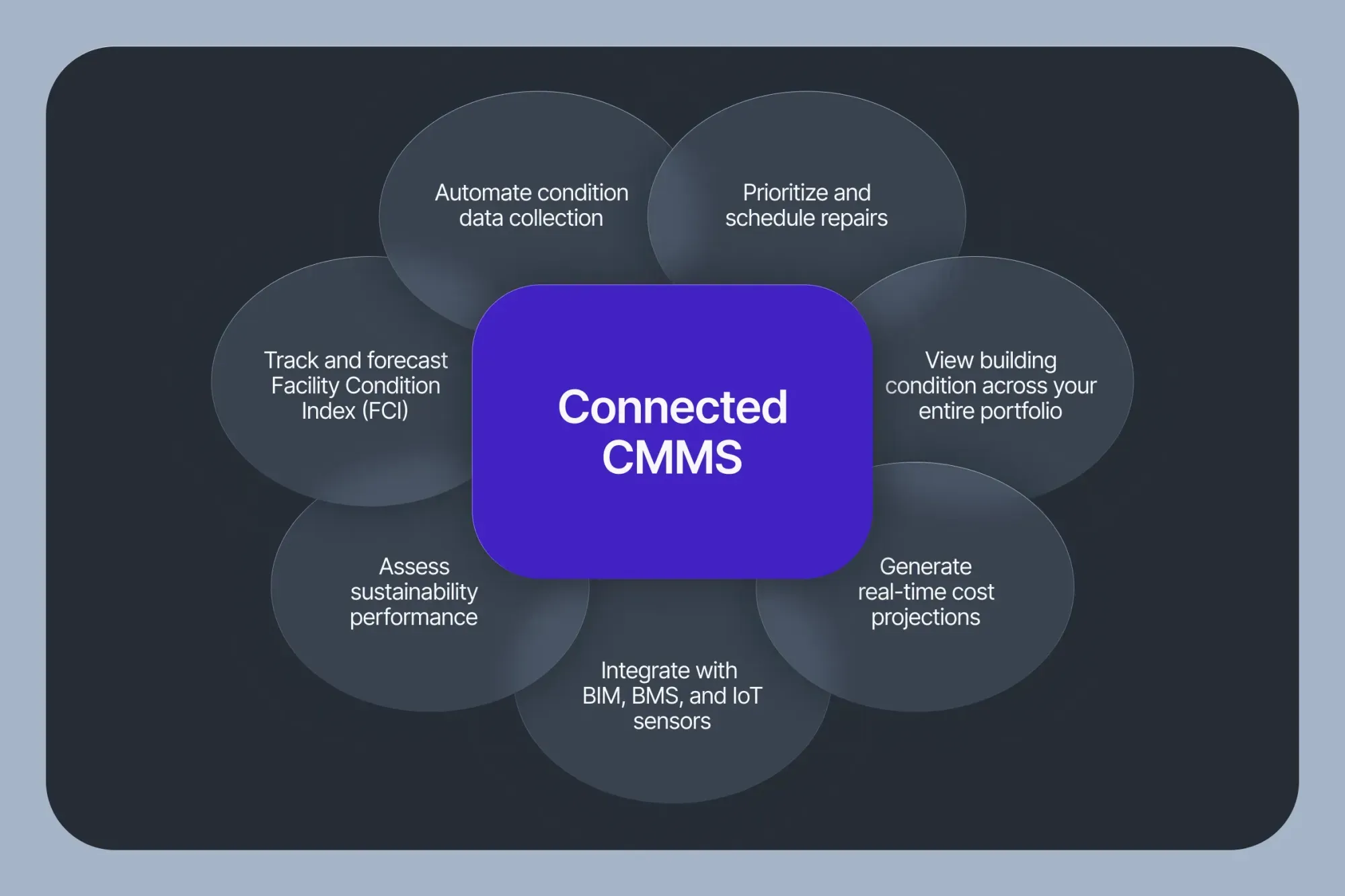
Depreciation is a key financial concept used by businesses to understand how the value of assets decreases over time. A depreciation calculator simplifies this process by helping organizations estimate asset value reduction in a structured and accurate way. Among different methods, MACRS (Modified Accelerated Cost Recovery System) is widely used for tax and accounting purposes, especially in structured financial planning.
A depreciation calculator designed for MACRS-based calculations allows businesses to manage asset valuation more efficiently and make better long-term investment decisions.
What is a depreciation calculator and why is it useful?
A Depreciation Calculator is a financial tool that estimates how an asset loses value over a specific period. Instead of manually calculating complex formulas, businesses can quickly determine depreciation schedules and remaining asset value.
This is useful because it reduces calculation errors, saves time, and ensures consistency in financial reporting. It also helps organizations understand how assets contribute to long-term expenses and profitability.
How does MACRS depreciation work in asset valuation?
MACRS depreciation is a system used to recover the cost of tangible assets over a fixed period. It applies predefined recovery schedules depending on asset type, allowing faster depreciation in earlier years and slower depreciation later.
Dt=P⋅rtDt=P⋅rt
In this structure, the asset value is multiplied by a specific depreciation rate assigned to each year of the recovery period. This method is widely used because it aligns with real-world asset usage patterns, where assets often lose more value in the early stages of their lifecycle.
Why is depreciation calculation important for businesses?
Depreciation calculation is important because it directly affects financial statements, tax reporting, and asset management strategies. Businesses need to understand how their assets lose value to make informed decisions about replacements, upgrades, and budgeting.
Accurate depreciation tracking helps organizations maintain financial transparency and avoid overestimating asset value. It also supports better forecasting of future expenses and investment planning.
How does a depreciation calculator improve financial accuracy?
A depreciation calculator improves accuracy by automating complex calculations that would otherwise require manual effort. It reduces human error and ensures consistent application of depreciation rules across all assets.
This level of accuracy is especially important for businesses managing large asset portfolios. Even small errors in depreciation estimates can lead to incorrect financial reporting and inefficient decision-making.
What role does depreciation play in asset management?
Depreciation plays a major role in asset management by helping organizations understand the true value of their resources over time. It allows businesses to track how assets perform financially throughout their lifecycle.
By monitoring depreciation, companies can decide when to repair, replace, or upgrade equipment. This ensures better resource utilization and prevents unnecessary spending on outdated or inefficient assets.
How does MACRS-based calculation support tax planning?
MACRS-based depreciation is widely used for tax planning because it allows accelerated cost recovery in the early years of an asset’s life. This helps businesses reduce taxable income during initial years of investment.
Dtotal=∑t=1nDtDtotal=∑t=1nDt
This cumulative approach helps organizations understand total depreciation over time, supporting more accurate financial forecasting and compliance with tax regulations.
Can depreciation calculators help with long-term business planning?
Yes, depreciation calculators play an important role in long-term planning. They help businesses predict how asset values will change over time, making it easier to plan capital expenditures.
When organizations understand future depreciation trends, they can budget more effectively and avoid unexpected financial pressure caused by asset replacement or upgrades.
Why is automation beneficial in depreciation tracking?
Automation removes the need for repetitive manual calculations and ensures that depreciation schedules remain consistent and up to date. This is especially useful for organizations managing multiple assets across different categories.
Automated systems also make reporting faster and more reliable. Financial teams can access accurate data instantly, improving decision-making speed and reducing administrative workload.
How does depreciation data improve business decision-making?
Depreciation data provides insights into asset performance and financial efficiency. By analyzing this data, businesses can identify which assets are becoming less cost-effective over time.
This helps decision-makers prioritize investments in newer, more efficient equipment while optimizing the use of existing resources. It also supports strategic budgeting and asset lifecycle management.
Conclusion
A depreciation calculator is a powerful financial tool that helps organizations simplify complex calculations, improve accuracy, and strengthen long-term planning. By using structured methods like MACRS, businesses gain a clearer understanding of asset value over time and can make more informed financial decisions.
With better visibility into depreciation patterns, organizations can manage resources more efficiently, optimize costs, and maintain stronger financial control across their operations.