
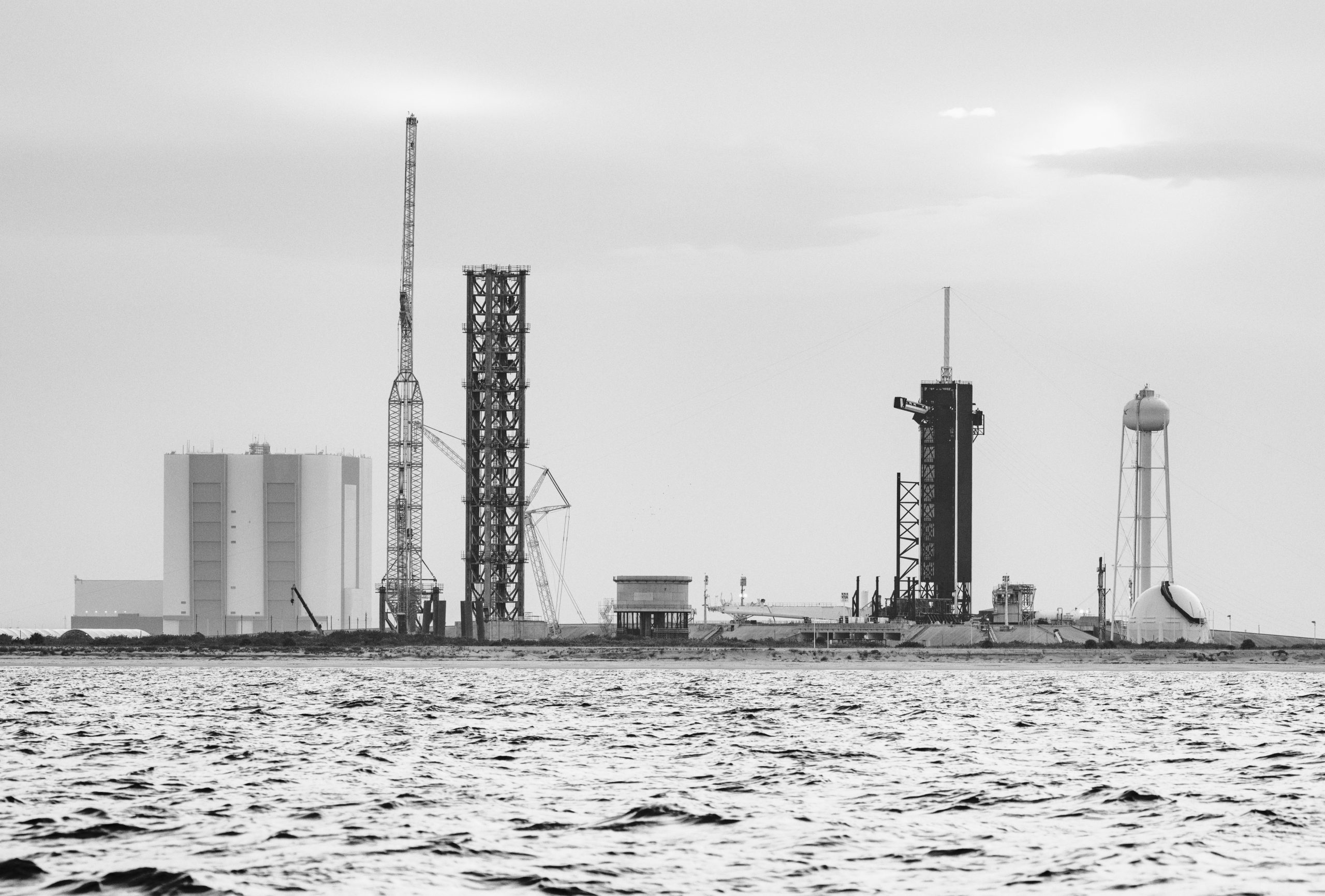
SpaceX Starship launch has achieved a significant milestone with its first orbital flight test. This successful event highlights the company’s commitment to advancing space technology.
Overview of the Starship launch
SpaceX has made headlines with the successful launch of its Starship during its first orbital flight test. This historic event marks a significant milestone for the aerospace company, demonstrating the capabilities of the Starship system designed for deep space exploration.
The launch took place from the SpaceX facility in Boca Chica, Texas, and was closely monitored by engineers and spectators alike. The mission aimed to evaluate the performance of the Starship under real flight conditions, testing various systems essential for future missions.
During the flight, Starship reached its planned altitude before performing a series of maneuvers that showcased its design and functionality. Although the spacecraft faced challenges during the descent phase, the overall objectives of the mission were met, providing valuable data for ongoing development.
Key points from the launch include:
- Launch Date: The flight took place on a clear day in October 2023.
- Mission Goals: To assess flight stability and recovery systems.
- Future Implications: Successful tests pave the way for potential crewed missions to Mars.
With the SpaceX Starship launch, the company is one step closer to turning its ambitious vision of interplanetary travel into a reality.
Significance of the orbital flight test
The recent SpaceX Starship launch marks a significant milestone in the journey of space exploration and commercial spaceflight. This orbital flight test not only demonstrates the capabilities of the Starship system but also underscores the potential for future missions beyond Earth.
The successful test provides numerous implications for the aerospace industry, including:
- Increased Confidence: The successful launch instills confidence in both investors and stakeholders regarding the reliability of the Starship program.
- Advancements in Technology: The flight test showcases cutting-edge technology that could lead to enhancements in spacecraft design and performance.
- Future Missions: With a proven launch system, SpaceX can now focus on ambitious plans for missions to the Moon, Mars, and beyond.
- Commercial Opportunities: The success opens up new avenues for commercial satellite launches and interplanetary missions, boosting the space economy.
Moreover, the implications of this orbital flight test extend beyond just SpaceX. It sets a precedent for other companies and nations in the field of space exploration, emphasizing the importance of innovation and perseverance in reaching new heights.
Technical details of the launch
The recent SpaceX Starship launch marked a significant milestone in aerospace engineering and technology. This orbital flight test showcased numerous advanced features designed to enhance the spacecraft’s performance and reliability.
Key technical details of the launch include:
- Launch Vehicle: The Starship system consists of two main components: the Starship spacecraft and the Super Heavy booster, which work in tandem to facilitate orbital travel.
- Propulsion: Equipped with Raptor engines, the Super Heavy booster generates over 16 million pounds of thrust, providing the necessary power to escape Earth’s gravity.
- Flight Profile: The mission followed a carefully planned trajectory, allowing the vehicle to reach orbital velocity and complete a series of maneuvers designed to test its capabilities.
- Recovery System: Innovations in the recovery approach were also tested, with the spacecraft designed to return safely to Earth, showcasing SpaceX’s commitment to sustainability in space travel.
This successful SpaceX Starship launch not only demonstrates the company’s engineering prowess but also paves the way for future missions, including crewed flights to the Moon and Mars.
Future missions planned for Starship
The successful SpaceX Starship launch marks a pivotal moment in the company’s ambitious plans for future missions. Following this landmark orbital flight test, SpaceX has outlined a series of missions designed to expand humanity’s presence in space and support interplanetary exploration.
Key future missions planned for Starship include:
- Lunar Missions: Partnering with NASA, SpaceX aims to facilitate crewed landings on the Moon as part of the Artemis program, paving the way for sustainable lunar exploration.
- Mars Exploration: The Starship is integral to Elon Musk’s vision of colonizing Mars, with plans for crewed missions aimed at establishing a human settlement by the 2030s.
- Satellite Deployment: Starship will enhance SpaceX’s capabilities in deploying large constellations of satellites, further expanding global internet coverage through Starlink.
- Space Tourism: SpaceX intends to offer commercial flights for private citizens, providing unprecedented opportunities for space travel.
As SpaceX continues to innovate and refine the Starship program, the successful orbital flight test lays a strong foundation for these ambitious missions, demonstrating the potential for future advancements in space exploration.
Reactions from the space community
The recent SpaceX Starship launch has elicited a wave of enthusiasm and support from the global space community. Experts and enthusiasts alike have taken to social media and various platforms to express their excitement about the milestone achievement.
- NASA Administrator Bill Nelson stated, “This successful orbital flight test is a testament to the innovation and determination of the SpaceX team. It opens new doors for future space exploration.”
- European Space Agency (ESA) representatives noted, “The progress made with the Starship launch is a significant step for international partnerships in space missions.”
- SpaceX CEO Elon Musk tweeted, “Great job to the entire SpaceX team! The orbital flight test shows we are one step closer to making life multi-planetary.”
Many space enthusiasts have gathered online to celebrate the success, sharing videos and images of the launch. The community is buzzing with discussions about the implications of the SpaceX Starship launch for future missions, including potential crewed missions to Mars.
The excitement surrounding this event highlights the growing interest in space exploration and the role of private companies in advancing technology and capabilities in the field.
Challenges faced during the test
The recent SpaceX Starship launch marked a significant milestone, but it was not without its challenges. During the orbital flight test, several issues arose that tested the resilience of the spacecraft and the capabilities of the SpaceX team.
- Engine performance: Some of the Raptor engines experienced fluctuations in thrust, which raised concerns about stability during the ascent phase.
- Telemetry issues: Communication with the spacecraft was intermittently lost, complicating the mission’s monitoring and control.
- Weather conditions: Unpredictable weather patterns threatened to delay the launch, requiring precise timing and adjustments to the flight plan.
- Flight path deviations: The spacecraft encountered unexpected aerodynamic challenges, causing it to veer slightly off its intended trajectory.
Despite these obstacles, the SpaceX team demonstrated remarkable problem-solving skills and adaptability. Each challenge provided invaluable data that will enhance future missions. The SpaceX Starship launch ultimately showcased not only the spacecraft’s potential but also the determination of the team behind it.
As the space community reflects on this historic test, it is clear that overcoming such challenges is a crucial step toward achieving successful interplanetary travel.
Conclusion and implications for space travel
The successful SpaceX Starship launch marks a significant milestone in the journey toward advanced space exploration and transportation. With the completion of its orbital flight test, SpaceX has demonstrated the viability of its technology, paving the way for future missions that could redefine human presence in space.
This accomplishment not only showcases the engineering prowess of SpaceX but also has broader implications for the entire aerospace industry. The data collected during the test will provide invaluable insights that can be leveraged by both governmental and private entities eager to explore the cosmos.
Moreover, as nations and companies collaborate on ambitious projects, the success of the Starship could accelerate international efforts in space travel and exploration. Key implications include:
- Increased investment in space technology.
- Potential partnerships for lunar and Martian missions.
- Enhanced public interest and support for space initiatives.
Ultimately, the triumph of the SpaceX Starship launch not only heralds a new era for the company but also signifies a leap forward for humanity’s aspirations in space. As we look to the stars, this test lays the groundwork for a future rich with possibilities.
The recent SpaceX Starship launch marks a significant milestone in the company’s efforts to achieve reliable interplanetary travel. As the success of the SpaceX Starship launch resonates throughout the aerospace community, many are eager to see what advancements will follow.
By Charles Boyer via Openverse
