Commercial Space Launch is at the forefront of Europe’s latest breakthroughs in the space industry. This article explores the innovations and strategies driving this exciting development.
Overview of Commercial Space Launch in Europe
In recent years, Europe has emerged as a significant player in the commercial space launch sector. With advancements in technology and increasing investment, the continent is poised to reshape the landscape of space exploration and satellite deployment.
The European Space Agency (ESA) has been instrumental in fostering innovation and collaboration among member states. This collective effort has led to the development of several key initiatives, including:
- Ariane 6: A next-generation launch vehicle designed to offer cost-effective options for satellite deployment.
- Vega C: An upgraded version of the Vega rocket, aimed at enhancing performance for small to medium payloads.
- Public-Private Partnerships: Collaborations between governmental bodies and private companies, enabling shared resources and expertise.
These strategies are essential for boosting Europe’s competitive edge in the global commercial space launch market. As more private companies enter the fray, the continent’s ability to innovate and adapt will determine its success in this rapidly evolving field.
Key Players in the European Space Market
The European space market has seen significant growth with various key players driving the commercial space launch sector forward. These companies are not only enhancing their capabilities but also expanding their reach in the global marketplace.
- Arianespace – As one of the pioneers in commercial space launch services, Arianespace has been a leader in the market, providing reliable access to space with its Ariane, Vega, and Soyuz rockets.
- Airbus Defence and Space – This company is known for its contributions to satellite manufacture and launch services, playing a vital role in the integration of commercial and governmental space operations.
- Rocket Factory Augsburg – A newcomer to the scene, this company focuses on developing small satellite launch vehicles, catering to the growing demand for flexible and cost-effective launch options.
- ISRO and ESA collaborations – The partnership between the Indian Space Research Organisation and the European Space Agency has opened new avenues for commercial space launch opportunities across continents.
These companies exemplify the innovation and competitive spirit that is characteristic of the commercial space launch industry in Europe.
Technological Advancements in Launch Vehicles
The landscape of commercial space launch has been significantly transformed by recent technological advancements in launch vehicles. These innovations are not only enhancing the efficiency of launches but also reducing costs, making space more accessible for a variety of missions.
Some key advancements include:
- Reusable Rockets: Companies like SpaceX have pioneered the use of reusable rockets, which can drastically cut down on the expenses associated with each launch.
- Small Satellite Launchers: The development of dedicated small satellite launchers has emerged as a game-changer, catering to the growing demand for launching small payloads.
- Advanced Propulsion Systems: Innovative propulsion technologies are allowing for more efficient fuel use and longer mission durations.
- Automated Launch Operations: Automation in launch operations is streamlining the process, minimizing human error and increasing the frequency of launches.
These advancements are crucial for the future of commercial space launch, positioning Europe as a competitive player in the global space economy.
The Economic Impact of Commercial Space Launch
The economic impact of commercial space launch is profound, influencing various sectors and contributing to job creation, technological advancements, and economic growth. The emergence of private companies in the space industry has significantly altered the landscape, fostering competition and innovation.
According to recent studies, the commercial space sector has contributed billions to the European economy. This growth is attributed to several factors:
- Job Creation: Thousands of jobs have been generated, ranging from engineering roles to support services, bolstering local economies.
- Technological Innovation: Investment in research and development has led to breakthroughs that extend beyond space exploration, benefiting industries such as telecommunications and materials science.
- International Collaboration: The global nature of space ventures encourages partnerships between countries and companies, enhancing trade and knowledge exchange.
As the demand for satellite launches and space tourism increases, the potential for further economic benefits remains substantial, positioning Europe as a leader in the commercial space launch arena.
Challenges Facing the Space Launch Industry
The commercial space launch industry faces several significant challenges that could impact its growth and sustainability. One of the primary obstacles is the high cost of launch operations, which can deter new entrants from participating in the market. Increased competition among existing companies is also leading to price wars, making it difficult for some providers to maintain profitability.
Additionally, regulatory hurdles can slow down the development and deployment of new launch services. Companies must navigate complex frameworks that vary by country, often leading to delays in obtaining necessary approvals and licenses. Furthermore, the industry is also grappling with environmental concerns, as the carbon footprint of rocket launches comes under scrutiny.
Another challenge is the reliance on government contracts. While these contracts have historically supported many companies, a shift toward more commercial contracts is necessary for long-term growth. To overcome these challenges, stakeholders in the commercial space launch sector must adopt innovative strategies and foster collaboration.
Future Trends in Space Exploration
The future of commercial space launch is poised to undergo significant transformations as technology and market dynamics evolve. Several trends are emerging that could shape the landscape of space exploration in the coming years.
- Increased Collaboration: Public-private partnerships are expected to grow, enabling shared resources and expertise, which can accelerate innovation and reduce costs.
- Reusable Launch Vehicles: The push for sustainability will lead to advancements in reusable launch technologies, allowing companies to significantly lower the cost per launch, making commercial space launch more accessible.
- Small Satellite Market Growth: The demand for small satellites is surging, leading to the rise of dedicated small launch vehicles, which cater specifically to this burgeoning market.
- International Competition: As more countries enter the space race, competition will intensify, driving advancements in launch services and creating a more robust commercial space launch environment.
- Regulatory Developments: Evolving regulations will play a crucial role in facilitating or hindering commercial space launch initiatives, emphasizing the need for adaptable strategies.
These trends highlight the dynamic nature of the industry and the opportunities that lie ahead for innovators in space exploration.
How to Get Involved in Commercial Space Ventures
As the commercial space launch sector continues to evolve, many aspiring entrepreneurs and investors are looking for ways to get involved in this exciting field. Here are some key strategies to consider:
- Education and Training: Gaining knowledge in aerospace engineering, business management, or related fields can provide a strong foundation for entering the commercial space launch industry.
- Networking: Connecting with industry professionals through conferences, seminars, and online forums can open doors to potential partnerships and opportunities.
- Investing: Consider investing in established companies or start-ups within the commercial space sector to gain exposure and experience in the market.
- Innovation: Developing new technologies or services that enhance existing launch capabilities can set you apart in a competitive landscape.
- Regulatory Knowledge: Familiarize yourself with the regulations governing space launches to navigate the legal landscape effectively.
By leveraging these strategies, individuals and organizations can position themselves for success in the burgeoning commercial space launch arena.
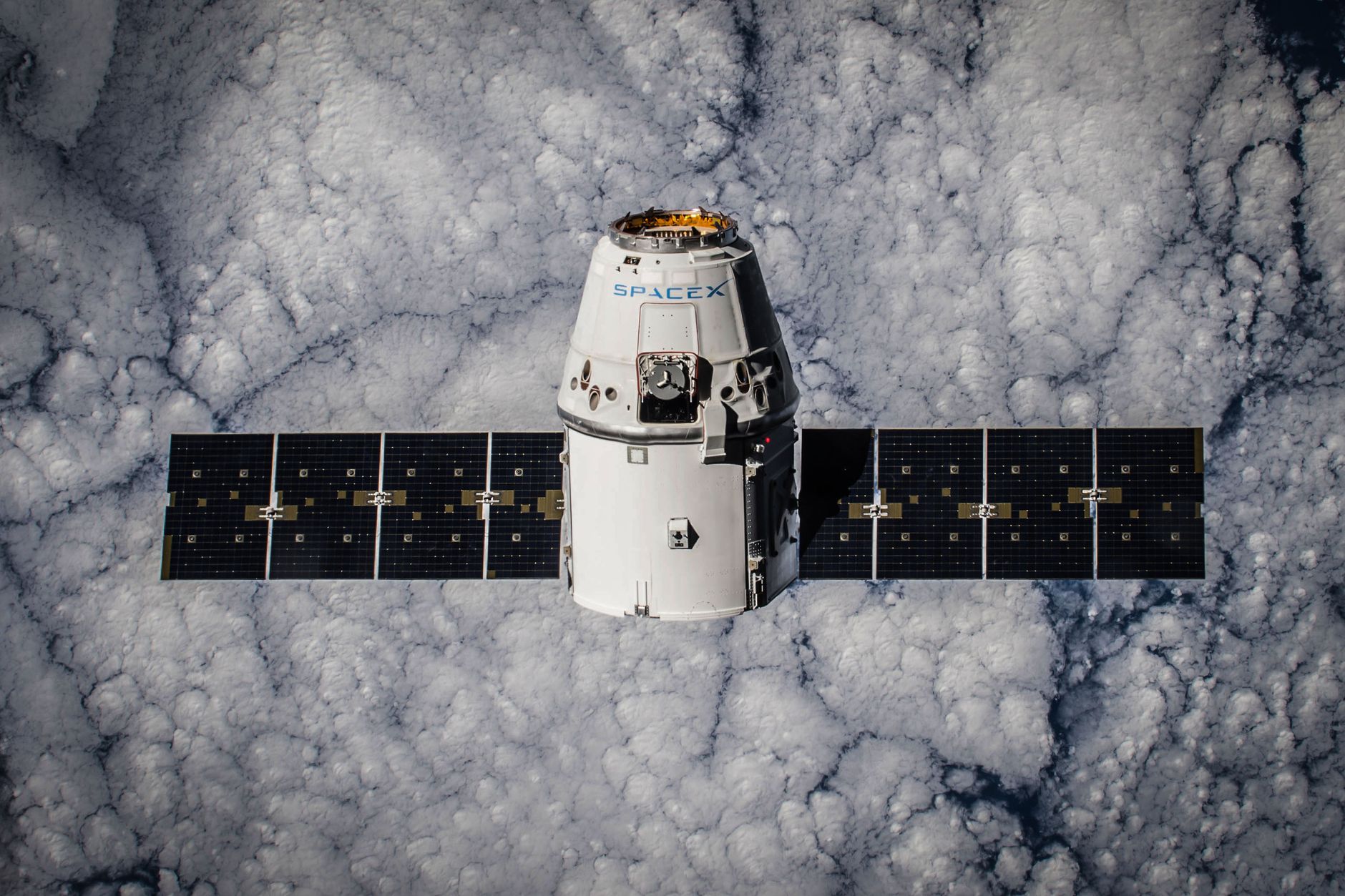
Photo by SpaceX on Pexels
Sources
Devdiscourse · Commercial Space Launch Competitiveness Act of 2015
You might also like
How Twitch Bots Viewers Can Complement a Streamer’s Content Strategy · iQOO Z11xa sale: Best price and specs revealed! · Samsung Galaxy A08 Specifications: Is It the Best Budget Phone?