
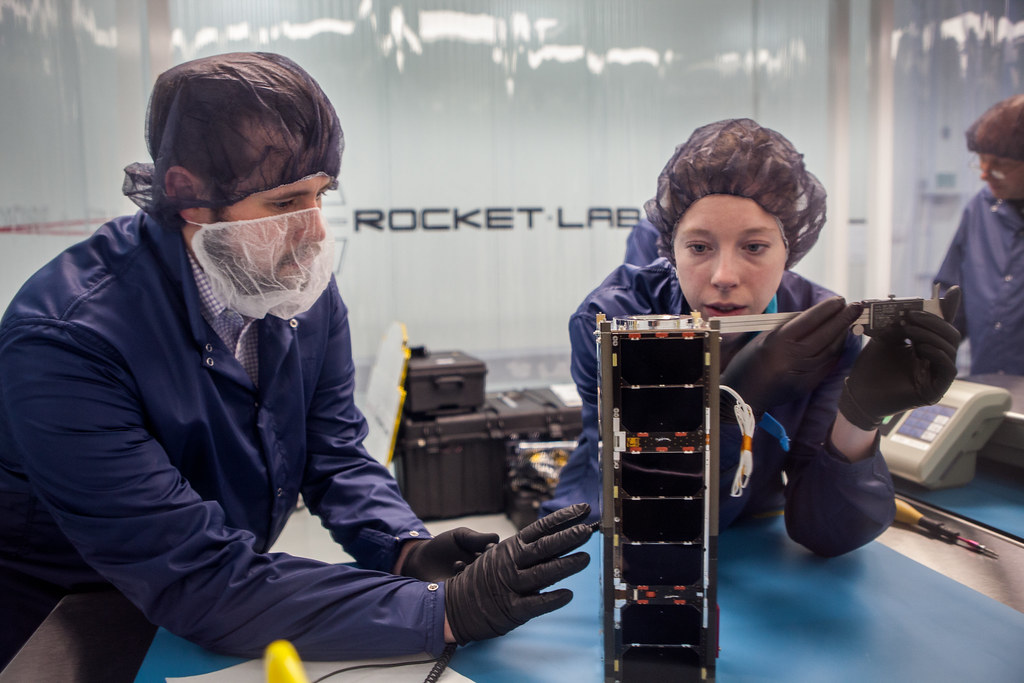
Rocket Lab Electron mission marked a significant achievement with the successful launch of the Synspective satellite. This milestone showcases Rocket Lab’s capabilities in the space industry.
Overview of Rocket Lab’s Achievements
Rocket Lab has made significant strides in the space industry, showcasing its capabilities with the recent Rocket Lab Electron mission. The company successfully completed its 101st launch, delivering the Synspective satellite into orbit. This milestone highlights Rocket Lab’s commitment to providing reliable and efficient launch services.
Since its inception, Rocket Lab has achieved numerous accomplishments, including:
- Developing the Electron rocket, which is designed for small satellite launches.
- Establishing a strong reputation for rapid launch turnaround times.
- Enhancing the accessibility of space for small satellite operators.
The success of the latest mission not only underscores Rocket Lab’s technological advancements but also its ability to meet the growing demand for satellite deployment. As the company continues to innovate, it remains a key player in the evolving landscape of space exploration.
Details of the Synspective Satellite
The recent Rocket Lab Electron mission marked a significant milestone with the successful deployment of the Synspective satellite into orbit. This mission highlights Rocket Lab’s growing capabilities and their commitment to expanding the small satellite launch market.
The Synspective satellite is part of a larger initiative aimed at enhancing urban and infrastructure monitoring. It is equipped with advanced synthetic aperture radar technology, which allows for:
- High-resolution imaging: Capturing detailed images of the Earth’s surface.
- Real-time data collection: Providing timely insights for various applications including disaster response and urban planning.
- Sustainability tracking: Monitoring environmental changes over time.
With this launch, Rocket Lab continues to demonstrate the reliability of the Electron rocket, solidifying its position in the aerospace industry and paving the way for future missions. The successful deployment of the Synspective satellite is a testament to the progress made in the realm of small satellite technology.
Significance of the 101st Electron Mission
The significance of the 101st Electron mission extends beyond its technical success; it underscores Rocket Lab’s position as a leading player in the commercial space industry. Successfully launching the Synspective satellite demonstrates the company’s ability to meet the growing demand for small satellite deployment.
This mission highlights several key aspects:
- Reliability: Completing the 101st Electron mission reinforces Rocket Lab’s reputation for dependable launches, crucial for clients seeking consistent access to space.
- Innovation: The successful integration of advanced technologies, such as the Photon satellite platform, showcases Rocket Lab’s commitment to pushing the boundaries of aerospace engineering.
- Market Demand: With more entities entering the small satellite sector, this mission emphasizes the increasing importance of rapid and cost-effective launch services.
Overall, the success of the 101st Electron mission not only reflects Rocket Lab’s achievements but also sets the stage for future endeavors in the expanding realm of satellite technology.
Future Plans for Rocket Lab
As Rocket Lab celebrates the success of its 101st Electron mission, the company is already looking towards the future. With a series of upcoming launches lined up, Rocket Lab aims to expand its payload capacity and enhance its launch capabilities.
Key future plans include:
- Development of Neutron Rocket: Rocket Lab is working on the Neutron rocket, which is designed to lift heavier payloads and service a broader range of missions.
- Increased Launch Frequency: The company plans to increase its launch frequency to meet growing demand from commercial and government clients.
- International Expansion: Rocket Lab is exploring opportunities to establish launch sites outside the United States to further diversify its offerings.
With the success of the Electron mission and their ambitious plans, Rocket Lab is poised to become a key player in the rapidly evolving space industry.
Challenges in Recent Launches
The recent Rocket Lab Electron mission faced several challenges that tested the resilience and adaptability of the team. Despite these hurdles, the mission concluded successfully, highlighting both the capability and determination of Rocket Lab. Key challenges included:
- Weather Conditions: Unfavorable weather patterns threatened to postpone the launch, requiring meticulous monitoring and adjustments.
- Technical Glitches: Minor technical issues were encountered during pre-launch checks, necessitating quick problem-solving to ensure mission integrity.
- Logistical Constraints: Coordinating the launch schedule with various stakeholders presented a complex challenge, but effective communication helped streamline the process.
Despite these obstacles, the successful completion of the Electron mission with the Synspective satellite not only showcases Rocket Lab’s expertise but also reinforces its reputation as a reliable launch provider in the rapidly evolving space industry. The lessons learned from these challenges will undoubtedly contribute to future missions.
What Makes Electron Rocket Unique
The Rocket Lab Electron mission stands out in the crowded field of space exploration due to several unique features that enhance its capabilities and reliability. One of the key aspects is its innovative design, which allows for rapid turnaround times between launches. This agility helps meet the increasing demand for small satellite deployments.
Another distinctive feature is the Electron rocket’s use of advanced composite materials, which significantly reduces its weight while maintaining structural integrity. This lightweight design enables the rocket to achieve impressive payload capacity to low Earth orbit.
Additionally, Rocket Lab has developed a specialized launch platform and a dedicated range of launch frequencies, providing clients with tailored options for their specific mission requirements. The combination of cost-effectiveness and precision makes the Electron rocket a preferred choice for many satellite operators.
Overall, these elements contribute to the continued success of Rocket Lab’s Electron missions, reinforcing its position as a leader in the small satellite launch market.
Impact on the Space Industry
The recent Rocket Lab Electron mission has made a significant impact on the space industry, showcasing the increasing capabilities of small satellite launches. By successfully deploying the Synspective satellite, Rocket Lab has demonstrated its reliability and adaptability in an evolving market. This mission underscores the growing demand for small satellite launches, as companies seek to leverage the benefits of advanced technologies.
The success of the Electron rocket contributes to a broader trend in the aerospace sector, where smaller, cost-effective solutions are becoming essential. As more organizations turn to CubeSats and small satellites for various applications, Rocket Lab’s achievements position it as a key player in this competitive landscape.
Moreover, the mission emphasizes the importance of rapid launch capabilities, allowing satellite operators to respond quickly to changing market needs. With a focus on innovation and efficiency, Rocket Lab is paving the way for future advancements in space exploration and satellite deployment.
Conclusion and Next Steps
The recent Rocket Lab Electron mission marks a significant milestone in the company’s journey towards expanding its capabilities in the space industry. With the successful deployment of the Synspective satellite, Rocket Lab has demonstrated its reliability and technical prowess in launching payloads into orbit.
As they look ahead, Rocket Lab is poised to capitalize on the momentum gained from this mission. The company plans to enhance its launch frequency and explore new markets, including potential partnerships with international space agencies and commercial entities.
In addition, Rocket Lab aims to innovate further, focusing on developing advanced technologies that will increase the efficiency and cost-effectiveness of their launches. This focus on innovation will not only solidify their position in the competitive landscape but also contribute to the broader goals of space exploration.
In conclusion, the success of the Electron mission reinforces Rocket Lab’s commitment to revolutionizing access to space and sets the stage for exciting developments in the near future.
The recent launch of the Rocket Lab Electron mission showcased the company’s innovative technology and commitment to small satellite deployment. As the Rocket Lab Electron mission successfully delivered multiple payloads to orbit, it marked a significant milestone in the realm of commercial spaceflight.
By NASAKennedy via Openverse