
Why are homeowners paying closer attention to residential security?
Home security has evolved from basic alarms into connected systems that can support protection, awareness, and everyday convenience. For homeowners evaluating a home security provider, the goal is not simply to install equipment but to create a coordinated security environment that fits the property and household routine. Modern systems can bring alarms, cameras, sensors, monitoring, and smart-home controls together, giving residents a more organized way to manage activity around the home.
Contents
- Why are homeowners paying closer attention to residential security?
- What should a complete residential security system include?
- Why are professionally installed systems useful?
- How does monitoring add another layer of protection?
- Can home security support safety beyond intrusion protection?
- What role does smart-home automation play?
- What should homeowners consider before choosing a system?
- Why is ongoing service important?
What should a complete residential security system include?
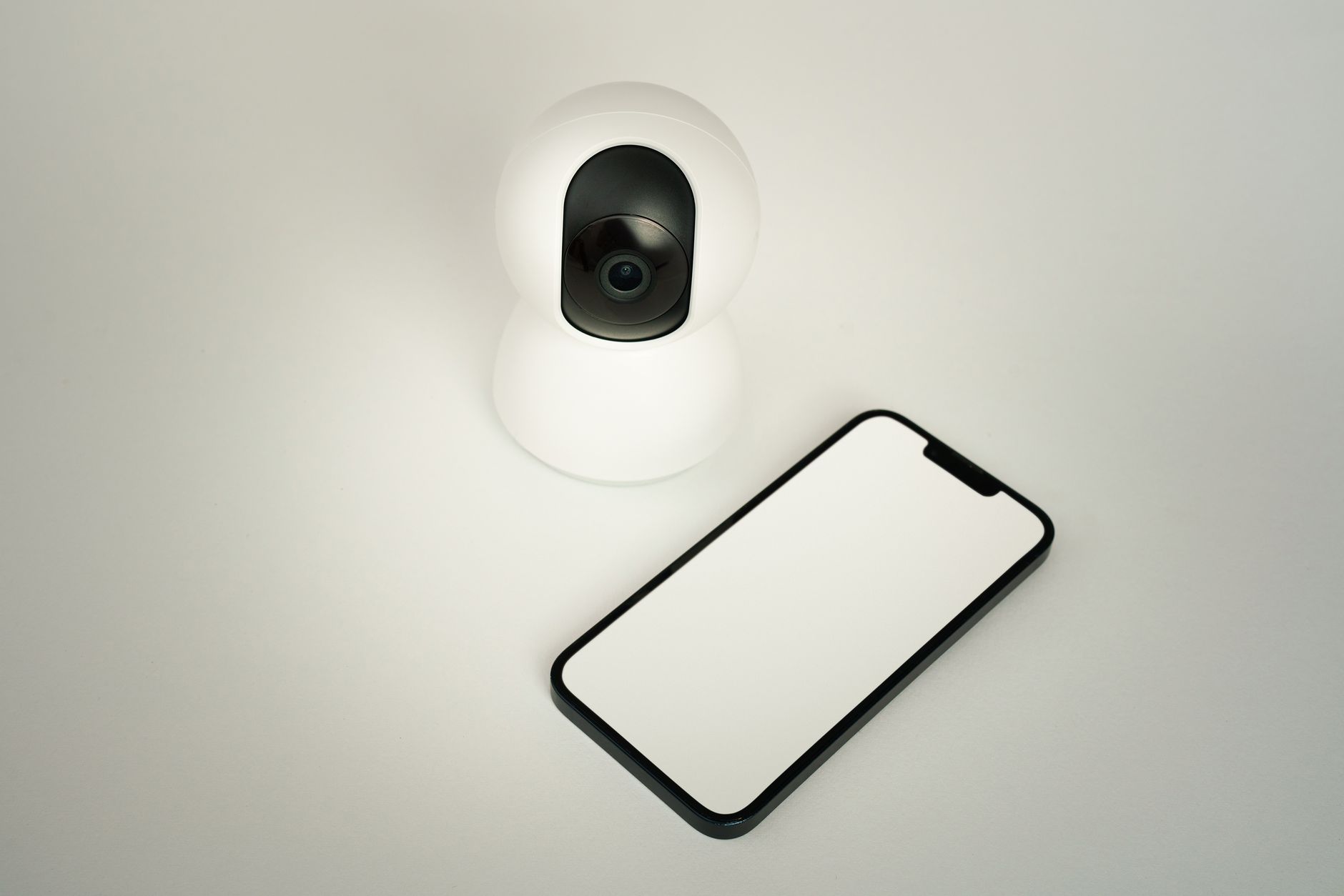
A well-planned system should address several areas rather than focusing on one device. Door and window sensors can help identify unexpected entry, while motion detection can provide another layer of awareness inside the property. Security cameras and video doorbells can support visual verification around entrances, driveways, garages, and other important areas.
The right combination depends on the layout of the property. A compact home may require a different approach from a larger residence with multiple entrances, detached spaces, or extensive outdoor areas. Professional planning helps ensure that important locations are considered before installation begins.
Why are professionally installed systems useful?
Installation quality can influence how effectively security equipment performs. Cameras need suitable positioning, sensors require appropriate placement, and control panels must be convenient for everyday use. A professional installer can assess the property and configure the system around household routines.
Another important consideration is system integration. When security devices work together, homeowners can manage several functions through a connected interface rather than treating every device as a separate product. This can make daily security routines easier to understand and maintain.
How does monitoring add another layer of protection?
Alarm monitoring can provide an additional response pathway when a security event occurs. Depending on the selected service, monitored systems may communicate alarm information even when residents are away from the property.
Video verification can also help provide context around an alarm event. Instead of relying only on a sensor notification, compatible systems may allow an operator to review available camera information before determining the appropriate response. This can make alarm information more useful and easier to interpret.
Can home security support safety beyond intrusion protection?
Residential security is broader than preventing unauthorized entry. Modern systems can incorporate smoke, heat, carbon monoxide, and water-leak detection. These technologies can help identify potentially serious household hazards before they become more disruptive.
Water sensors, for example, can alert residents to unusual moisture conditions. In compatible installations, connected equipment may also support additional protective actions. This demonstrates how residential security is increasingly connected with overall property safety.
What role does smart-home automation play?
Smart-home controls can connect security with everyday routines. Homeowners may be able to coordinate alarm settings, locks, lighting, thermostats, garage access, or other compatible devices through a central system.
Automation can be particularly useful when household schedules change throughout the day. Instead of manually adjusting every device, residents can establish practical routines that simplify arrival, departure, and nighttime security.
What should homeowners consider before choosing a system?
Property layout, household routines, existing equipment, monitoring preferences, camera coverage, and future expansion should all be considered. A system should also be understandable enough for everyone who needs to use it.
Professional consultation can help identify which technologies are relevant and which features may be unnecessary. The objective is a balanced security plan that provides useful protection without making daily life unnecessarily complicated.
Why is ongoing service important?
Security systems require attention after installation. Equipment may need maintenance, troubleshooting, upgrades, or compatibility checks as technology and household needs change. A service relationship can help homeowners keep their system functioning properly over time.
Ultimately, residential security works best when technology, installation, monitoring, and homeowner routines are treated as connected parts of one plan. A thoughtful approach can turn individual security devices into a practical system designed around the way a home is actually used.
Quick Summary
- Modern home security systems integrate alarms, cameras, sensors, monitoring, and smart-home controls to create a coordinated security environment.
- A complete residential security system should include door and window sensors, motion detection, security cameras, and video doorbells tailored to the property’s layout.
- Professional installation is crucial because it influences the effectiveness of security equipment through proper positioning and convenient access to control panels.
- Alarm monitoring adds an additional response pathway by communicating alarm information, allowing for video verification before determining appropriate responses.
- Residential security now includes detection technologies for smoke, heat, carbon monoxide, and water leaks to address household hazards beyond unauthorized entry.
- Homeowners should consider property layout, household routines, existing equipment, monitoring preferences, and future expansion when selecting a security system.