
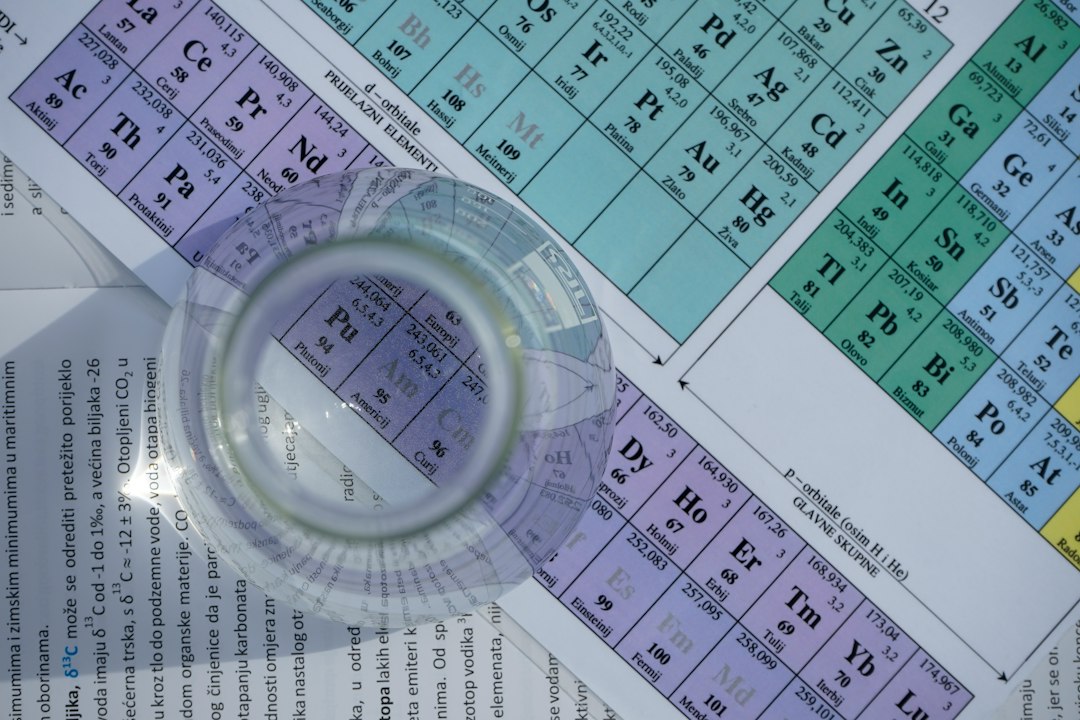
The scientific study of specialized substances requires a combination of chemical knowledge, analytical discipline, and responsible laboratory practice. Research Chemicals are often discussed within this broader environment because they can be examined to better understand molecular characteristics, analytical behavior, and other measurable properties. A structured approach helps researchers interpret available information while recognizing the limits of current evidence.
Contents
- In This Article
- Understanding the Scientific Context
- Establishing Chemical Identity
- Examining Chemical Properties
- The Value of Structured Data
- Responsible Laboratory Practice
- Importance of Regulatory Knowledge
- Evaluating Published Information
- Conclusion
- Quick Summary
In This Article
- Understanding the Scientific Context
- Establishing Chemical Identity
- Examining Chemical Properties
- The Value of Structured Data
- Responsible Laboratory Practice
- Importance of Regulatory Knowledge
- Evaluating Published Information
- Conclusion
Understanding the Scientific Context
The term research chemicals can cover many different substances and research purposes. Some may be studied because their chemical characteristics are unusual, while others may be relevant to specific analytical or materials investigations.
There is no single research objective that applies to every compound. The appropriate scientific approach depends on the identity of the substance, the research question, available evidence, and applicable laboratory requirements.
Establishing Chemical Identity
Correct identification is one of the earliest considerations in chemical research. Researchers need dependable information about the substance being examined before interpreting laboratory observations.
Chemical identifiers, structural information, analytical records, and validated testing approaches can contribute to identification. Using multiple forms of supporting evidence can provide greater confidence than relying on a single description.
Accurate identity is also important when comparing research results across different laboratories.
Examining Chemical Properties
Once identity has been established, researchers may investigate relevant characteristics under controlled conditions. The properties selected for examination depend on the scientific purpose.
Research may focus on stability, physical characteristics, molecular structure, analytical behavior, or interactions with other substances. Each area can provide a different perspective on the compound.
Careful documentation helps researchers understand how environmental and experimental conditions may influence observations.
The Value of Structured Data
Research produces useful information when observations are recorded consistently. Structured records can help identify patterns, unexpected results, and areas requiring further examination.
Data quality is influenced by several factors, including instrument performance, sample handling, analytical methodology, and interpretation. Researchers therefore need to consider the limitations of their methods when evaluating findings.
Transparent reporting makes scientific information easier to review and reproduce.
Responsible Laboratory Practice
Laboratory responsibility extends beyond the scientific question. Appropriate safety procedures should be established before unfamiliar substances are handled.
Researchers should follow relevant institutional protocols, consult available safety documentation, maintain appropriate labeling, and use suitable protective measures. Storage and waste procedures should also follow applicable laboratory requirements.
These practices help protect personnel and preserve the quality of scientific work.
Importance of Regulatory Knowledge
Chemical research may involve legal requirements that vary according to jurisdiction and substance classification. Institutions may also impose additional controls based on their own safety and compliance policies.
Before conducting research, responsible professionals verify current requirements through appropriate official or institutional channels. This step is particularly important when working with substances that have specialized regulatory considerations.
Evaluating Published Information
Researchers encounter information from scientific papers, databases, technical documents, laboratory reports, and online sources. These materials can differ significantly in reliability and evidentiary strength.
Professional evaluation involves examining the source, methodology, supporting evidence, and limitations. Preliminary observations should not automatically be treated as established scientific conclusions.
A careful approach improves both research quality and public understanding.
Conclusion
Understanding research chemicals requires more than learning individual compound names. It involves recognizing how chemical identity, analytical methods, safety procedures, regulatory requirements, and scientific evidence interact. When research is approached systematically, specialized substances can be studied within a responsible framework that values accuracy, documentation, and transparency. These principles remain essential as laboratory science continues to expand and new areas of chemical investigation emerge.
Quick Summary
- Research chemicals encompass a wide range of substances and purposes, with unique objectives tailored to each compound.
- Accurate chemical identification is crucial for interpreting laboratory results and comparing findings across different studies.
- Structured data recording enhances the reliability of research by helping to identify patterns and understand variability in observations.
- Responsible laboratory practices are essential for ensuring safety and compliance when handling unfamiliar substances.
- Regulatory knowledge is vital for researchers, as legal requirements can greatly differ by jurisdiction and substance classification.
- Evaluating the reliability of sources and methodologies is necessary to improve the quality of research and public understanding.
Quick Summary
- Research chemicals vary in substance and purpose, with distinct objectives tailored to each compound.
- Accurate chemical identification is critical for interpreting laboratory results and facilitating comparisons across studies.
- Recording structured data improves research reliability by helping identify patterns and understand variability in observations.
- Responsible laboratory practices are necessary to ensure safety and compliance when working with unfamiliar substances.
- Understanding regulatory knowledge is essential for researchers, as legal requirements differ based on jurisdiction and substance classification.
- Evaluating the reliability of sources and methodologies is necessary to enhance research quality and public understanding.