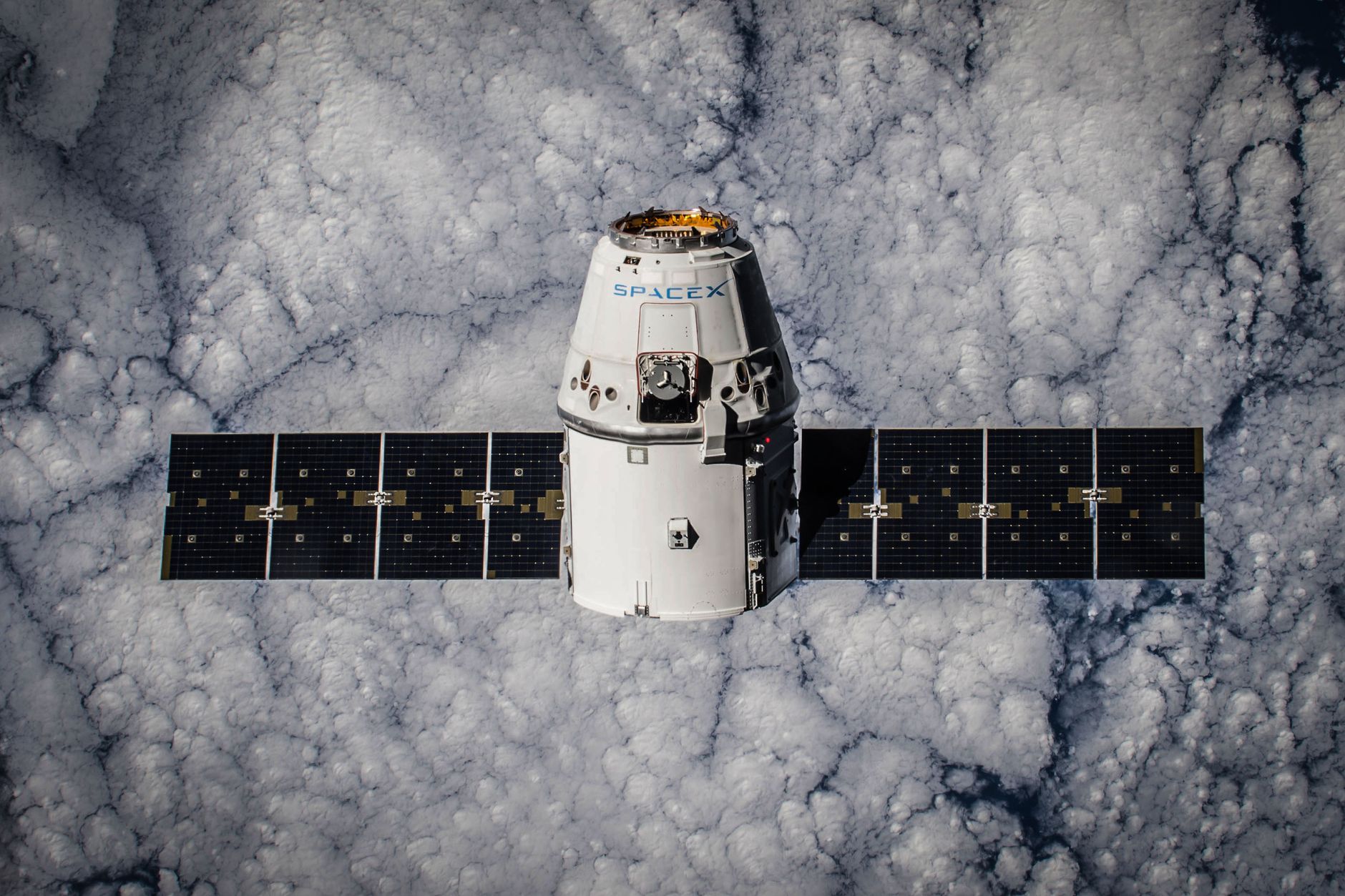
ISRO NVS-03 satellite launch is crucial for advancing India’s position in space technology. This launch represents a significant milestone in the nation’s efforts to enhance its satellite capabilities and improve communication services.
What is the ISRO NVS-03 Satellite?
The ISRO NVS-03 satellite is a significant advancement in India’s navigation satellite capabilities. As part of the Navigation with Indian Constellation (NavIC) program, this satellite aims to enhance the country’s positioning services, ensuring accurate and reliable navigation for users across India and surrounding regions.
Developed by the Indian Space Research Organisation (ISRO), the NVS-03 satellite is designed to provide various services such as:
- Improved accuracy: The satellite offers enhanced positioning accuracy for various applications, including transportation and agriculture.
- Increased coverage: It extends the operational range of navigation services to remote and rural areas.
- Advanced technology: Incorporating state-of-the-art systems, the satellite is equipped with a dual-frequency payload, which improves signal robustness.
- Support for diverse applications: The NVS-03 will benefit sectors such as disaster management, urban planning, and logistics.
With the successful launch of the ISRO NVS-03 satellite, India strengthens its foothold in global navigation systems, paving the way for future advancements in technology and infrastructure.
Importance of Satellite Launches
Satellite launches play a pivotal role in advancing technology and enhancing communication systems globally. The ISRO NVS-03 satellite launch is a crucial step forward, contributing significantly to various sectors, including telecommunications, weather forecasting, and disaster management.
The importance of such launches can be understood through several key factors:
- Global Positioning: Satellites like NVS-03 help improve navigation systems, which are essential for both civilian and military applications.
- Data Collection: Satellites are vital for gathering real-time data, aiding in environmental monitoring and scientific research.
- Technological Advancement: Each satellite launch propels technological innovation, fostering developments in satellite design and functionality.
- Economic Growth: Investing in satellite technology leads to job creation and boosts the economy through various sectors relying on satellite data.
- National Security: Satellites enhance national security by providing critical information and surveillance capabilities.
As ISRO continues to make strides with the NVS-03 satellite launch, it underscores the importance of these missions in shaping a more connected and informed world.
How NVS-03 Enhances Communication
The launch of the ISRO NVS-03 satellite represents a significant advancement in communication technology. This satellite is designed to enhance the efficiency and reliability of communication systems across various sectors.
One of the primary functions of the NVS-03 is to provide accurate and timely navigation services. These services are essential for several applications, including:
- Transportation: Improved navigation for vehicles and vessels, leading to better route planning and safety.
- Agriculture: Precision farming techniques that rely on accurate location data to optimize crop yields.
- Disaster Management: Enhanced response mechanisms during natural disasters through reliable communication channels.
Moreover, the ISRO NVS-03 satellite aims to bridge the communication gap in remote and underserved areas. By providing stable communication links, it empowers local communities and supports economic development initiatives.
In addition, the satellite’s advanced technology is expected to improve connectivity for various digital services, making them more accessible to a broader audience. This capability plays a crucial role in India’s digital transformation efforts.
Overall, the successful launch of the ISRO NVS-03 satellite is a crucial step forward in enhancing communication infrastructure and fostering socio-economic growth.
Key Features of NVS-03
The ISRO NVS-03 satellite launch marks a significant advancement in satellite technology, showcasing several key features that enhance its operational capabilities.
- Advanced Navigation Systems: The NVS-03 is equipped with state-of-the-art navigation technology, ensuring accurate positioning and timing services essential for various applications, including transportation and disaster management.
- Enhanced Signal Quality: This satellite features improved signal strength and quality, facilitating better communication for users across diverse sectors.
- Multi-frequency Operations: The ability to operate across multiple frequency bands allows the NVS-03 to provide more reliable services, catering to a larger user base.
- Robust Security Features: Built with advanced encryption and data security measures, the NVS-03 ensures that sensitive information remains protected against unauthorized access.
- Longer Lifespan: Designed for longevity, the NVS-03 is expected to operate efficiently for several years, reducing the need for frequent replacements and contributing to sustainability.
In summary, the ISRO NVS-03 satellite launch is not just a technical achievement but a crucial step forward in enhancing India’s capabilities in satellite navigation and communication.
Future of India’s Space Missions
The successful launch of the ISRO NVS-03 satellite is not just a milestone for India; it represents a crucial step forward in the nation’s ambitions for space exploration and satellite technology. With this launch, ISRO is poised to enhance its capabilities significantly, which will, in turn, impact various sectors within the country.
As India continues to focus on becoming a global leader in space exploration, the future holds promising opportunities:
- Enhanced Communication: The NVS-03 satellite will improve communication networks, ensuring better connectivity across urban and rural areas.
- Navigation Precision: This satellite strengthens India’s navigation systems, providing accurate data for transportation and logistics.
- Research and Development: The launch will foster advancements in satellite technology, encouraging further research and innovation within ISRO.
- International Collaboration: Success in missions like the ISRO NVS-03 satellite launch opens doors for more international partnerships in space.
- Economic Growth: Enhanced satellite services can boost various industries, contributing to economic growth.
The ISRO NVS-03 satellite launch signifies a significant leap towards a future where India’s presence in space is more pronounced and impactful.
Challenges in Satellite Launches
The journey of satellite launches, including the recent ISRO NVS-03 satellite launch, is fraught with numerous challenges that can impact the success of the mission. These challenges stem from various technical, environmental, and logistical factors that space agencies must navigate to ensure a successful deployment.
One of the primary challenges is the technical complexity involved in designing and building the satellite. Each component must work flawlessly under the harsh conditions of space, which requires rigorous testing and validation processes. Additionally, the integration of advanced technologies, such as those found in the NVS-03, adds layers of complexity to the launch.
Environmental factors also play a significant role. Launch windows are often dictated by weather conditions, with high winds, thunderstorms, or cloud cover posing risks to the launch vehicle and payload. Furthermore, the alignment of the launch site with the intended orbital trajectory must be meticulously calculated.
Lastly, logistical challenges, such as securing timely access to launch facilities and coordinating with various stakeholders, can complicate the process. Each of these factors must be addressed to ensure the success of missions like the ISRO NVS-03 satellite launch, which is crucial for advancing India’s capabilities in space technology.
Impact on Global Space Industry
The recent ISRO NVS-03 satellite launch signifies a pivotal moment for the global space industry, showcasing India’s growing capabilities in space technology and satellite communication. As countries around the world invest heavily in their space programs, the successful deployment of NVS-03 positions India as a key player in this competitive arena.
This satellite is expected to enhance not only India’s navigation systems but also contribute to international navigation services by improving accuracy and reliability. The launch demonstrates India’s commitment to advancing its technological infrastructure, which is crucial as the demand for precise navigation solutions rises globally.
Moreover, the ISRO NVS-03 satellite launch is likely to spur collaborations with other nations and private entities. With partnerships becoming increasingly vital in the space sector, India’s progress may encourage joint ventures and knowledge sharing, ultimately benefiting the global community.
In addition, the advancements made through NVS-03 could inspire emerging space agencies to elevate their own objectives, fostering a collaborative environment that emphasizes innovation. As the space industry evolves, the impact of this satellite launch will resonate beyond national borders, shaping the future of global navigation systems and technological advancements.
The ISRO NVS-03 satellite launch marks a significant milestone in India’s space exploration efforts. This mission is expected to enhance communication and navigation capabilities across the region.
References
Related stories
Alien: Isolation 2 Release is Worth the Wait with Proven Details · Enterprise AI Model: Proven Steps to Move Beyond Pilots · Honor X8e 4G Features: Best Camera and Battery Power