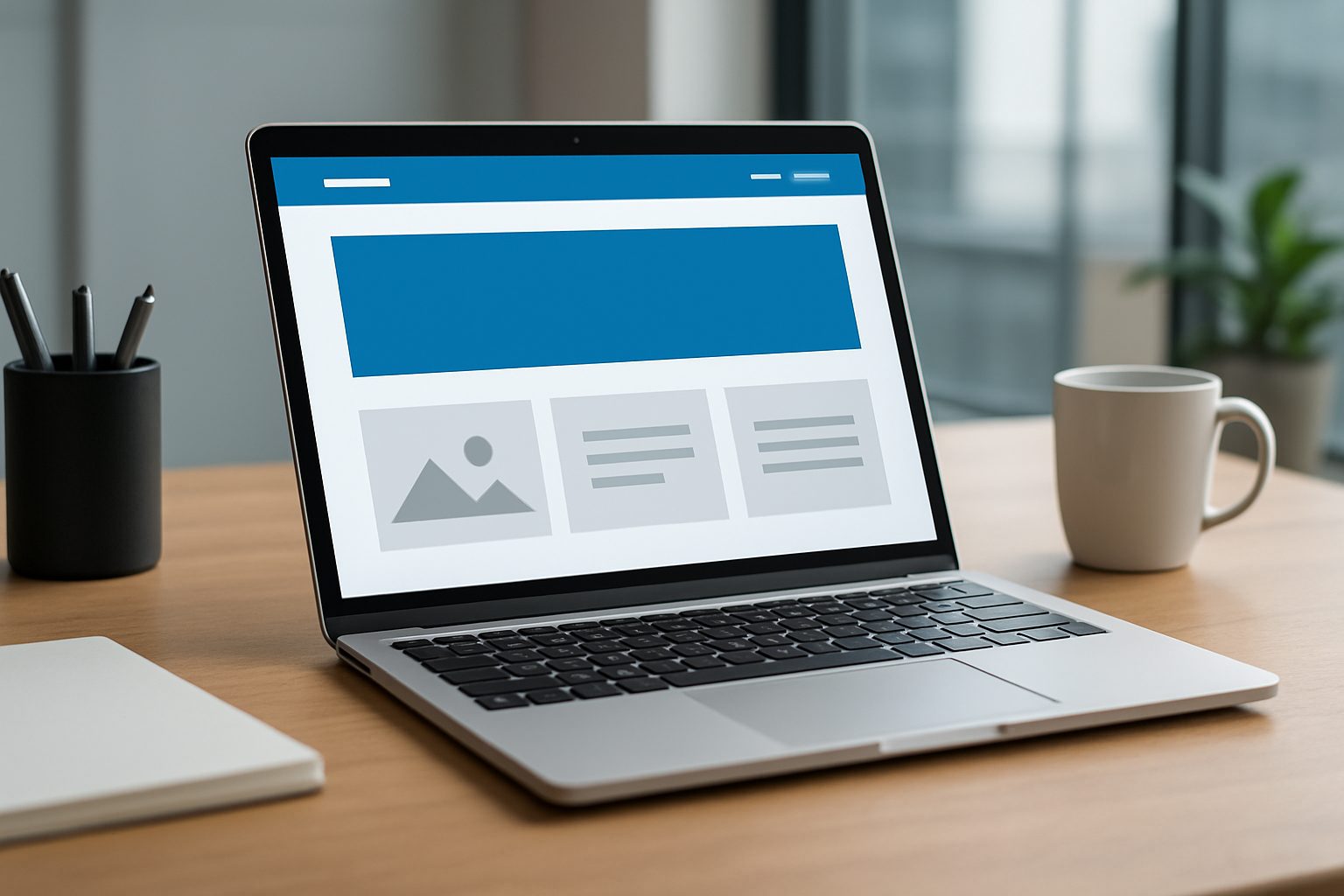
A professionally designed website can help a business create a strong first impression and communicate its services clearly. When searching for Web Designer Near Me, businesses can explore local website design services that focus on appearance, usability, organization, and user experience. A well-planned design can make online information easier to understand while creating a polished and consistent digital presence.
Contents
- Understanding Website Design Services
- Benefits of Working With a Local Designer
- Creating a Strong First Impression
- Designing for User Experience
- Responsive Website Design
- Customized Design Solutions
- Importance of Website Accessibility
- Planning a Website Design Project
- Maintaining a Professional Online Presence
- Choosing a Web Designer Near You
Understanding Website Design Services
Website design involves the visual and functional elements that visitors experience when they open a website. It includes page layouts, typography, images, navigation, spacing, content organization, and overall presentation.
A good design should balance appearance with usability. An attractive website can be valuable, but visitors should also be able to find information quickly and understand how different sections work.
Benefits of Working With a Local Designer
Working with a local web designer can make communication more convenient throughout a project. Businesses can discuss ideas, explain preferences, review design concepts, and provide feedback more easily when communication is straightforward.
Local collaboration can also help when a project requires detailed discussions about the intended audience, business goals, branding preferences, or specific website requirements. Clear communication can contribute to a smoother design process.
Creating a Strong First Impression
A website is often one of the first places where potential customers interact with a business. A clean and organized design can help communicate professionalism and make important information easier to recognize.
The homepage, navigation, headings, images, and calls to action should work together naturally. Consistency across different pages can also create a more recognizable and trustworthy experience for visitors.
Designing for User Experience
User experience is an important part of effective website design. Visitors should be able to move through a website without confusion and locate useful information with minimal effort.
Clear navigation menus, readable text, logical page structures, and appropriately placed interactive elements can make browsing more comfortable. A designer can consider how different visitors may interact with a website and organize the design accordingly.
Responsive Website Design
People access websites using many types of devices, including desktop computers, tablets, and smartphones. Responsive design helps a website adjust to different screen sizes while maintaining usability.
A responsive layout can improve readability and navigation on smaller screens. Images, menus, buttons, and other elements should remain practical and accessible regardless of the device being used.
Customized Design Solutions
Every business has different goals and audiences, so a standard design may not always be appropriate. Customized website design can reflect a business’s preferred visual style, services, communication approach, and overall objectives.
A designer can develop page layouts and visual elements that support the specific purpose of the website. Customization can also help create a distinctive online identity without making the website unnecessarily complicated.
Importance of Website Accessibility
An effective website should be convenient for as many visitors as possible. Readable fonts, suitable contrast, clear navigation, descriptive content, and properly structured pages can contribute to accessibility.
Considering accessibility during the design process can make a website easier to use for people with different needs and browsing preferences. Good design should combine visual appeal with practical usability.
Planning a Website Design Project
Before starting a design project, businesses can identify their primary goals, target audience, preferred style, required pages, and important features. Having clear expectations can help a designer understand what the website needs to accomplish.
Planning also makes it easier to organize content and determine which elements should receive the most attention. A structured approach can reduce unnecessary revisions and keep the project focused.
Maintaining a Professional Online Presence
Website design may require continued attention after launch. Businesses may need to update content, refresh visual elements, improve navigation, or adjust pages as services and customer expectations change.
Regular improvements can help a website remain modern, useful, and aligned with business goals. A flexible design can also make future updates easier to manage.
Choosing a Web Designer Near You
When evaluating local website design services, businesses can consider communication, design experience, understanding of user experience, responsiveness, project requirements, and ongoing support. Choosing a designer who listens carefully and understands the purpose of the website can make the development process more effective.
A thoughtfully designed website can provide an attractive and practical foundation for online communication. With clear planning, responsive layouts, user-friendly navigation, customized presentation, and ongoing improvements, local website design services can help businesses build a professional and engaging digital presence.
Quick Summary
- A professionally designed website can create a strong first impression and effectively communicate a business’s services.
- Website design encompasses visual elements such as layouts, typography, images, and navigation, balancing both appearance and usability.
- Responsive design allows a website to adjust to various screen sizes, enhancing readability and navigation on different devices.
- Customized website design can reflect a business’s unique visual style, services, and overall objectives, supporting its online identity.
- Effective website accessibility involves using readable fonts, suitable contrast, and clear navigation to accommodate diverse visitors.
- Regular updates to website content and design can keep it modern and aligned with evolving business goals and customer expectations.