
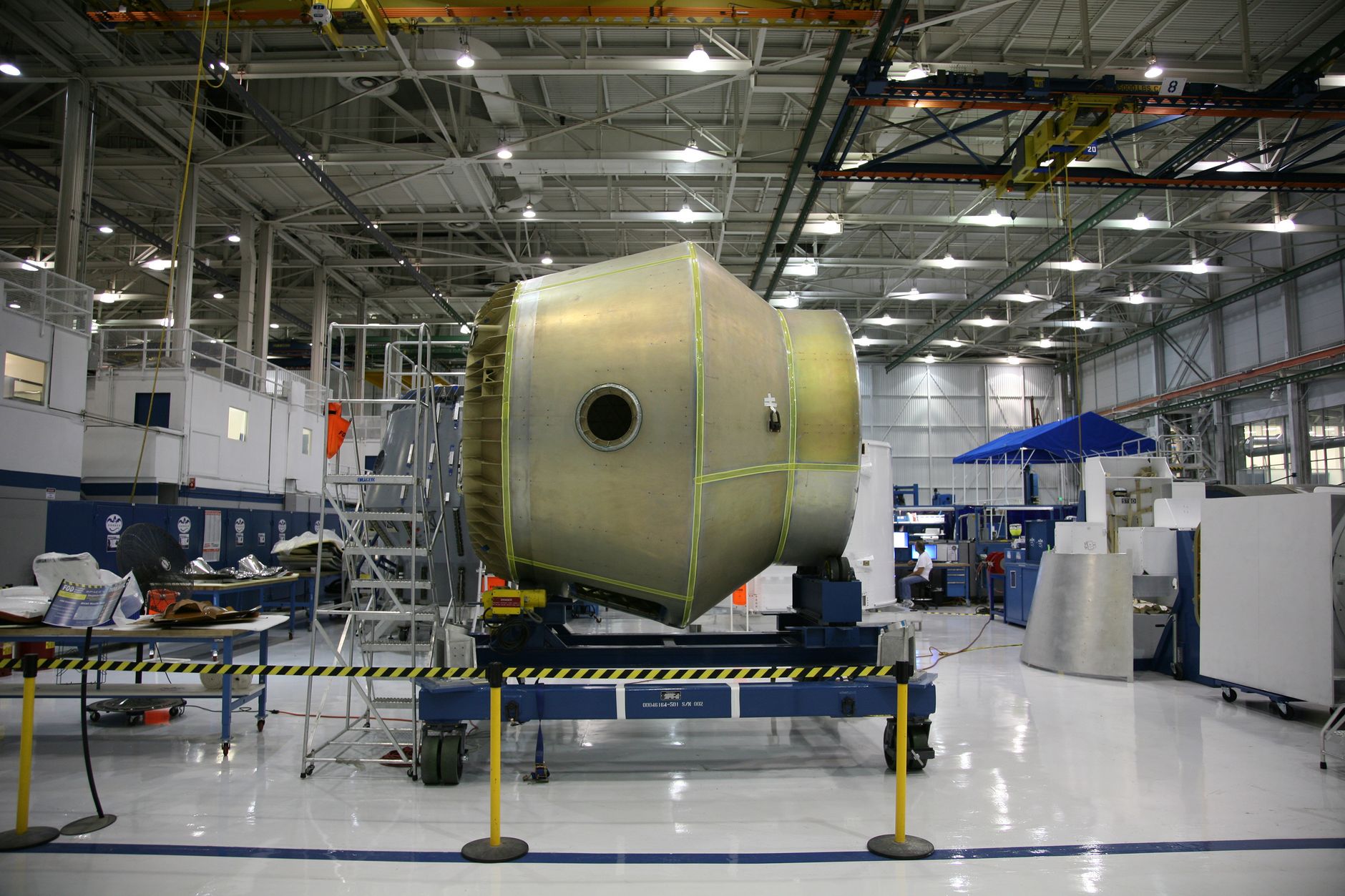
Gaganyaan crew module tests have been successfully completed by ISRO, marking a crucial step towards the uncrewed G1 mission. This achievement showcases India’s commitment to advancing its space program.
Overview of Gaganyaan Mission
The Gaganyaan mission represents India’s ambitious foray into human spaceflight, aiming to demonstrate the nation’s capabilities in sending astronauts into low Earth orbit. Recently, the Indian Space Research Organisation (ISRO) successfully completed the crucial Gaganyaan crew module tests, marking a significant milestone in the mission’s development. These tests are essential for ensuring the safety and reliability of the crew module, which will house astronauts during their journey.
The crew module is designed to withstand the harsh conditions of space travel, including extreme temperatures, radiation, and the vacuum of space. To achieve this, ISRO has implemented rigorous testing protocols to assess the module’s performance under various scenarios. Key components of the tests include:
- Separation Tests: These tests evaluate the module’s ability to detach from the launch vehicle safely, a critical aspect of mission success.
- Thermal Protection: Assessing how well the module can manage heat during re-entry, ensuring the safety of crew members.
- Structural Integrity: Ensuring the module can withstand the forces experienced during launch and landing.
As ISRO progresses with these tests, the Gaganyaan mission is poised to pave the way for future human space explorations, solidifying India’s position in the global space community. The successful completion of the Gaganyaan crew module tests is a clear step forward in realizing this bold vision.
Importance of Crew Module Tests
The successful completion of the Gaganyaan crew module tests marks a significant milestone in India’s ambitious space exploration program. These tests are crucial for ensuring the safety and reliability of the spacecraft, which is designed to carry astronauts into space. The rigorous evaluation process not only assesses the module’s performance but also validates the technologies that will be employed in future missions.
The importance of these tests lies in several key aspects:
- Safety Assurance: The crew module tests focus on the safety features of the spacecraft, ensuring that it can withstand various challenges during launch, orbit, and re-entry.
- System Validation: By conducting these tests, ISRO can verify that the systems within the crew module function correctly, providing confidence in the technology and its readiness for human spaceflight.
- Data Collection: The tests generate valuable data that can be analyzed to improve design and performance, aiding in the refinement of future missions.
- Public Confidence: Successfully executing the Gaganyaan crew module tests helps build public trust in India’s space endeavors, showcasing the nation’s capabilities in advanced space technology.
Overall, the Gaganyaan crew module tests are a critical step towards achieving India’s goal of sending its first crewed mission to space, paving the way for future exploration.
ISRO’s Future Plans
The Indian Space Research Organisation (ISRO) has laid out a roadmap for future missions following the successful completion of the Gaganyaan crew module tests. These tests are crucial in ensuring the safety and reliability of the crew module, which is designed to carry astronauts into space.
ISRO’s future plans involve a series of missions that will build upon the technologies and lessons learned from the Gaganyaan mission. The subsequent missions will focus on:
- Uncrewed Missions: Before sending astronauts, ISRO aims to conduct uncrewed missions to further validate the systems and technologies developed for the Gaganyaan program.
- Enhanced Testing: Additional tests will be carried out to evaluate various aspects of the crew module, including life support systems and re-entry capabilities.
- International Collaboration: ISRO seeks partnerships with other space agencies and organizations to enhance the scope and capabilities of future missions.
- Long-term Goals: The agency is also exploring deeper space missions, with an eye towards manned missions to the Moon and potentially Mars.
As ISRO moves forward, the Gaganyaan crew module tests will serve as a benchmark for these ambitions, ensuring that each subsequent mission is built on a foundation of rigorous testing and validation.
Challenges in Space Missions
The journey towards successful human spaceflight is fraught with numerous challenges that must be meticulously navigated. The Gaganyaan crew module tests are a vital component in overcoming these obstacles, as they provide essential insights into the performance and safety of the crew module during various phases of the mission.
One primary challenge is ensuring the durability and reliability of the crew module in the harsh environment of space. Engineers must test its ability to withstand extreme temperatures, radiation, and micrometeoroid impacts. ISRO has designed rigorous test protocols to simulate these conditions, allowing engineers to assess the module’s resilience.
Another significant hurdle is the integration of advanced life support systems. The crew module must provide a safe and habitable environment for astronauts, requiring extensive testing of air and water recycling systems, as well as food storage. Each element must work flawlessly to ensure crew safety during the mission.
Moreover, communication systems are critical for mission success. Maintaining a constant link with mission control is essential, and thorough testing of these systems is necessary to address potential failures.
As the Gaganyaan crew module tests continue, ISRO remains committed to addressing these challenges head-on, paving the way for future missions and establishing a robust framework for human space exploration.
Technological Innovations
The Gaganyaan crew module tests have marked a significant leap forward in India’s ambitions for human spaceflight, showcasing a series of technological innovations that promise to enhance the safety and reliability of future missions. These tests are crucial for demonstrating the capabilities of the crew module, which is designed to protect astronauts during launch, orbit, and re-entry.
One of the standout innovations in this crew module is the advanced thermal protection system. This system is engineered to withstand the extreme temperatures experienced during re-entry, ensuring that the crew remains safe and secure. Additionally, the module is equipped with state-of-the-art avionics, providing real-time data and communication capabilities that are vital for mission control.
Moreover, the integration of automated systems has improved operational efficiency. The crew module can autonomously handle various functions, reducing the workload on astronauts and allowing them to focus on critical tasks. This level of automation is a significant development, as it enhances both safety and mission success rates.
Furthermore, the tests have validated the separation mechanisms that will be essential for future missions. These mechanisms are designed to ensure that the crew module can successfully detach from its launch vehicle and operate independently in space. Overall, the Gaganyaan crew module tests not only demonstrate India’s growing capabilities in space technology but also pave the way for more ambitious explorations in the years to come.
International Collaboration in Space
The Gaganyaan mission represents a significant leap in India’s space exploration efforts, and it has garnered attention not only domestically but also internationally. Countries around the world are increasingly recognizing the importance of collaboration in space missions, especially as they seek to push the boundaries of human capability in outer space.
ISRO’s successful completion of the Gaganyaan crew module tests has opened the door for various international partnerships. These collaborations are essential for sharing knowledge, resources, and technology, ultimately enhancing the mission’s success rate. Several nations have expressed interest in contributing to India’s ambitious crewed mission efforts.
- Joint Research Initiatives: Collaborative projects focused on life support systems and astronaut training are being explored.
- Technology Exchange: Partner countries may provide advanced materials and technologies that can bolster the mission’s integrity and safety.
- Shared Expertise: Engaging experts from various space agencies can provide invaluable insights and best practices.
Moreover, the Gaganyaan crew module tests serve as a critical benchmark for future missions, not just for India, but for international space exploration as a whole. By fostering these alliances, ISRO is not only enhancing its technological capabilities but also establishing a cooperative spirit that is vital for tackling the complexities of space travel. As countries unite in their pursuit of exploration, the Gaganyaan mission stands as a testament to the power of international collaboration in space.
Public Interest in Space Exploration
As interest in space exploration continues to grow, the recent Gaganyaan crew module tests have captured the attention of the global community. The advancements in India’s space program not only signify a leap in technology but also inspire a new generation of scientists and enthusiasts. Public fascination with space missions is at an all-time high, fueled by various factors.
- Increased Accessibility: Space missions have become more accessible to the public through social media and live streams, allowing people to witness historic events in real-time.
- Educational Initiatives: Organizations and educational institutions are actively promoting STEM (Science, Technology, Engineering, and Mathematics) programs, which have sparked interest among youth regarding space exploration.
- Media Coverage: Extensive media coverage of space missions, including the Gaganyaan crew module tests, keeps the public informed and engaged with ongoing developments in the field.
- International Collaboration: Partnerships with global space agencies enhance interest as they highlight the collective efforts toward exploring beyond Earth.
Overall, the Gaganyaan crew module tests represent not just a milestone for ISRO but also a pivotal moment in encouraging public engagement with space exploration. The excitement surrounding these developments underscores a broader recognition of the importance of space science and its potential to unite humanity in pursuit of knowledge.
Conclusion and Next Steps
As the Gaganyaan crew module tests reach a significant milestone, the Indian Space Research Organisation (ISRO) is poised to advance its space exploration initiatives. These tests are not just crucial for the immediate objectives of the Gaganyaan mission, but they also lay the groundwork for future manned spaceflights. The successful completion of the crew module-separation tests has demonstrated ISRO’s commitment to ensuring the safety and reliability of its crewed missions.
The next steps involve rigorous analyses and evaluations of the test results, which will inform the development of subsequent missions. ISRO plans to conduct more simulations and ground tests to refine the technology further and address any challenges that may arise. The data gathered will be instrumental in shaping the design and functionality of the crew module, ensuring that it meets the stringent requirements for human spaceflight.
Looking ahead, the Gaganyaan mission is set to not only strengthen India’s position in the global space community but also inspire a new generation of scientists and engineers. With public interest in space exploration at an all-time high, ISRO’s continued transparency and engagement with the public will be essential. By successfully executing crew module tests, ISRO is taking clear steps towards making India a prominent player in the field of human space exploration.
Photo by SpaceX on Pexels