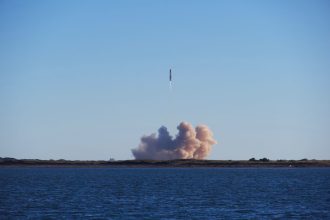
Shenzhou-24 spaceship launch has successfully taken place, showcasing China’s advancements in space exploration. This mission highlights the country’s commitment to expanding its presence in outer space.
Overview of the Shenzhou-24 Mission
The recent launch of the Shenzhou-24 spaceship marks a significant milestone in China’s space exploration efforts. This mission is part of China’s broader ambition to establish a permanent presence in low Earth orbit and ultimately facilitate lunar exploration.
The Shenzhou-24 mission aims to transport astronauts to the Tiangong space station, where they will conduct a variety of scientific experiments and technology demonstrations. This mission not only showcases China’s advancements in aerospace technology but also highlights its commitment to international collaboration in space research.
- Launch Date: The Shenzhou-24 was successfully launched on November 20, 2023.
- Mission Duration: The crew is expected to spend approximately 30 days in orbit.
- Astronaut Crew: The mission includes a diverse group of astronauts, enhancing its representation of China’s space program.
- Objectives: Key goals include conducting experiments in microgravity and testing new space technologies.
As the Shenzhou-24 spaceship launch inspires future missions, the world watches closely to see the impact of China’s growing presence in space exploration.
Key Milestones in China’s Space Program
China’s space program has achieved significant milestones over the years, showcasing its rapid advancements and ambitions in space exploration. The Shenzhou-24 spaceship launch marks yet another pivotal moment in this journey, further solidifying China’s position in the global space race.
- 2003: China became the third country to independently send a human into space with the launch of Shenzhou-5.
- 2011: The successful launch of the Tiangong-1 space laboratory marked the beginning of China’s space station program.
- 2016: The launch of Tianzhou-1, the first cargo spacecraft, set the stage for future resupply missions to the space station.
- 2021: The first module of the Chinese space station, Tianhe, was launched, paving the way for assembling a permanent presence in orbit.
- 2023: The Shenzhou-24 mission aims to enhance scientific research and technology demonstration aboard the space station.
These milestones reflect China’s strategic planning and relentless pursuit of innovation in its space endeavors, making the Shenzhou-24 mission a critical step forward.
What Makes Shenzhou-24 Special?
The recent Shenzhou-24 spaceship launch has garnered significant attention due to several innovative features and objectives that set it apart from previous missions.
One notable aspect of this mission is its focus on advanced technological developments, which aim to enhance China’s capabilities in space exploration. The mission incorporates:
- Improved Life Support Systems: The Shenzhou-24 is equipped with state-of-the-art life support systems, ensuring a sustainable environment for astronauts during extended missions.
- Enhanced Robotics: This mission utilizes cutting-edge robotics technology, allowing for more efficient handling of tasks in space, such as repairs and maintenance.
- Scientific Research: The spacecraft is designed to conduct a series of experiments in microgravity, contributing valuable data to various scientific fields.
- International Collaboration: Shenzhou-24 aims to strengthen partnerships with other countries, promoting a collaborative approach to space exploration.
As the mission unfolds, it is anticipated that the advancements and successes of Shenzhou-24 will pave the way for future endeavors in China’s expanding space program.
Future Plans for Space Exploration
The successful launch of the Shenzhou-24 spaceship marks a significant milestone in China’s ongoing efforts in space exploration. With this mission, China aims to expand its presence in space and deepen its understanding of the universe. Future plans for space exploration encompass a variety of ambitious projects that could redefine humanity’s reach beyond Earth.
Some of the key future initiatives include:
- Building a Permanent Space Station: China plans to complete its Tiangong space station by 2025, allowing for longer missions and international collaboration.
- Moon Missions: Following the success of its lunar landers, China aims to send astronauts to the Moon by the end of the decade, exploring the possibility of a sustainable human presence.
- Mars Exploration: After the success of the Tianwen-1 mission, further Mars exploration missions are planned, focusing on the search for signs of life.
- Asteroid Missions: Future missions may include sample return missions from asteroids, providing insights into the solar system’s formation.
As the Shenzhou-24 spaceship launch propels China further into the cosmos, the nation’s ambitions for space exploration continue to grow.
Impact of Shenzhou-24 on Global Space Race
The successful launch of the Shenzhou-24 spaceship has significant implications for the global space race, showcasing China’s advancements in space exploration technology. This mission not only demonstrates China’s growing capabilities but also reignites competition among various nations aiming to establish their presence in space.
As countries like the United States and Russia continue to invest heavily in their space programs, China’s achievements with the Shenzhou-24 mission highlight a shift in the landscape of international space exploration. The implications of this launch can be summarized as follows:
- Technological Advancements: The Shenzhou-24 mission showcases China’s cutting-edge technology in spacecraft design and execution.
- Increased Collaboration: As different nations push the boundaries of space exploration, there may be opportunities for collaboration, especially in scientific research.
- Geopolitical Considerations: The mission may influence international policies regarding space exploration and resource utilization.
As other nations respond to the success of Shenzhou-24, the dynamics of the global space race will continue to evolve, making future missions all the more critical.
Expert Opinions on the Launch Success
Experts have varied opinions regarding the recent Shenzhou-24 spaceship launch, highlighting its significance in the realm of space exploration. Some space analysts consider it a groundbreaking achievement for China’s ambitious space program.
- Dr. Emily Zhang, a leading aerospace engineer, stated, “The successful launch of the Shenzhou-24 spaceship represents a milestone in human spaceflight. It showcases China’s capability to develop sophisticated technology and execute complex missions.”
- Professor Mark Thompson, a space policy expert, emphasized, “This mission not only enhances China’s position in the global space race but also paves the way for future international collaborations in space exploration.”
- Dr. Lisa Chen from the Space Research Institute remarked, “Shenzhou-24’s launch success can inspire younger generations to pursue careers in STEM fields, potentially leading to new discoveries and innovations.”
In conclusion, while some experts believe that the Shenzhou-24 spaceship launch sets a commendable precedent, others urge for a more cautious approach, emphasizing the need for sustainable practices in space exploration.
The Shenzhou-24 spaceship launch has generated significant interest among space enthusiasts and experts alike. Many are eager to see how the Shenzhou-24 spaceship launch will compare to previous missions in terms of technology and success.
Read the original
Related reading
Specialized Law Enforcement Vehicle Graphic Designs for Professional Fleets · Trump Nvidia board intervention: A Clear Threat to National Security · Nintendo Switch Online: The Best GameCube Classic Added!