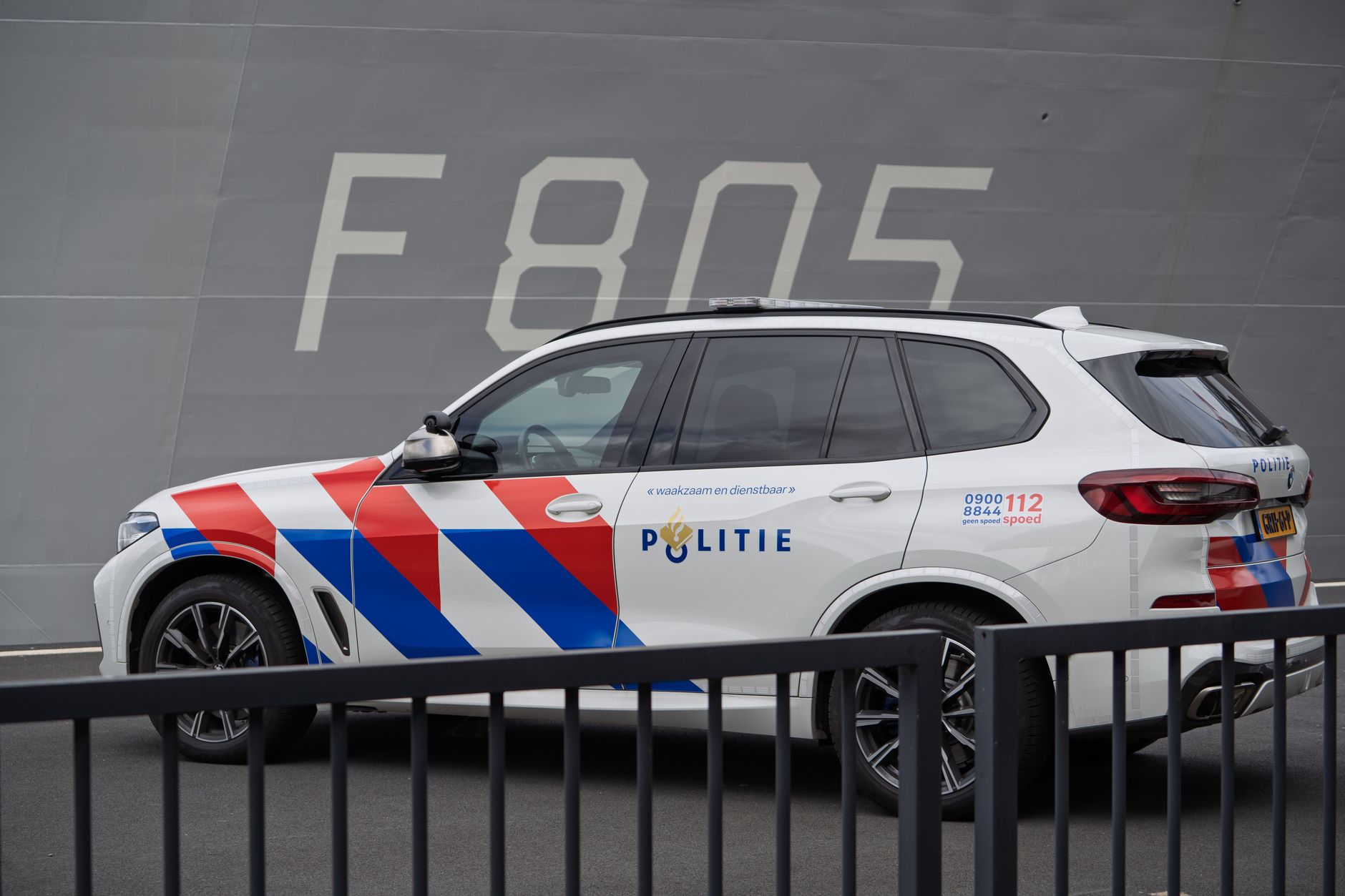
Law enforcement vehicles require carefully planned visual designs that support identification, visibility, and a consistent professional appearance. From patrol cars and SUVs to specialized response units, vehicle markings help communicate official identity and distinguish department vehicles from ordinary traffic. Professionally developed Law Enforcement Vehicle Graphic Designs combine recognizable colors, department lettering, official symbols, and reflective elements to create coordinated graphics for different types of law enforcement fleets.
The Importance of Professional Vehicle Graphics
Vehicle graphics play an important role in presenting a clear and recognizable law enforcement identity. Department names, official emblems, unit numbers, and other authorized markings help members of the public identify police vehicles in various environments.
A consistent design also supports a unified fleet appearance. When multiple vehicles use matching colors, typography, and graphic arrangements, they become easier to recognize as part of the same department.
Professional graphics should balance visual impact with practical communication. Important details must remain readable without overcrowding the vehicle’s exterior. A well-organized layout helps maintain a professional appearance while making essential identification elements easy to notice.
Custom Designs for Different Fleet Vehicles
Law enforcement departments operate different types of vehicles depending on their responsibilities. Patrol sedans, SUVs, pickup trucks, motorcycles, and specialized support vehicles each have unique dimensions and exterior features.
Custom graphics allow designs to be adapted to the shape and available surface area of each vehicle. Designers need to consider door panels, windows, handles, curves, and equipment compartments when planning graphic placement.
Although layouts may vary between vehicle models, consistent colors, logos, and lettering help maintain the department’s overall identity. This approach creates a coordinated appearance even when a fleet includes several vehicle types.
Selecting Colors and Graphic Elements
Color selection is an important part of law enforcement vehicle design. Contrasting colors can help department names and identification markings stand out against the vehicle’s base finish.
Typography should be clear, appropriately sized, and easy to read from different viewing distances. Official symbols and logos should be positioned carefully to maintain visibility and avoid interference with other graphic elements.
Designers should also consider the intended use of each vehicle. Patrol vehicles may require prominent identification, while administrative or support vehicles may use more understated layouts. All designs should follow the department’s approved visual guidelines.
Reflective Graphics for Improved Visibility
Reflective materials can help selected vehicle markings become more noticeable when illuminated by headlights or other light sources. This feature can be particularly useful for vehicles operating at night or in areas with limited lighting.
Reflective lettering, stripes, and graphic details can be incorporated into the overall design. Their placement should maintain visual balance while supporting vehicle recognition.
Material selection should consider operational requirements, expected environmental exposure, and applicable safety regulations. Departments should ensure that reflective elements and graphic patterns comply with relevant standards.
Choosing Durable Materials
Law enforcement vehicles may experience frequent use, outdoor exposure, and regular cleaning. Their graphics should therefore be made from materials suitable for demanding conditions.
Vehicle-grade vinyl is commonly used for lettering, decals, and wraps. Full wraps provide extensive design coverage, while partial wraps focus on selected vehicle sections. Individual decals can display department logos, unit numbers, and other identification details.
The right material depends on the vehicle’s surface, expected usage, desired finish, and maintenance requirements. Choosing suitable products can help preserve the appearance of graphics over time.
Professional Installation and Fleet Maintenance
Proper installation is essential for achieving clean and consistent vehicle graphics. Surface preparation, accurate measurements, and careful application help reduce wrinkles, bubbles, and uneven edges.
After installation, regular inspections can identify fading, peeling, scratches, or other signs of wear. Cleaning vehicles with appropriate methods also helps maintain the condition of graphic materials.
When departments replace vehicles or update their branding, maintaining consistent design standards helps preserve a recognizable fleet identity.
Creating a Recognizable Law Enforcement Fleet
Specialized vehicle graphics combine visual communication, official identification, and practical design. Careful attention to colors, lettering, reflective materials, and vehicle-specific layouts helps create professional results.
By using consistent design standards and suitable materials, law enforcement departments can maintain a coordinated appearance across their fleets. Proper installation and ongoing maintenance further support clear identification and a professional public image.
Quick Summary
- Law enforcement vehicles utilize carefully planned visual designs for identification, visibility, and consistent professional appearance.
- Department names, official emblems, and unit numbers on vehicles help the public recognize police vehicles in various environments.
- Custom graphics are essential for adapting designs to the unique shapes and dimensions of different types of law enforcement vehicles.
- Reflective materials enhance the visibility of vehicle markings, especially during nighttime or low-light conditions.
- Durable materials like vehicle-grade vinyl are important for graphics on law enforcement vehicles due to frequent use and outdoor exposure.
- Proper installation and regular maintenance of vehicle graphics are crucial for preserving a recognizable fleet identity.