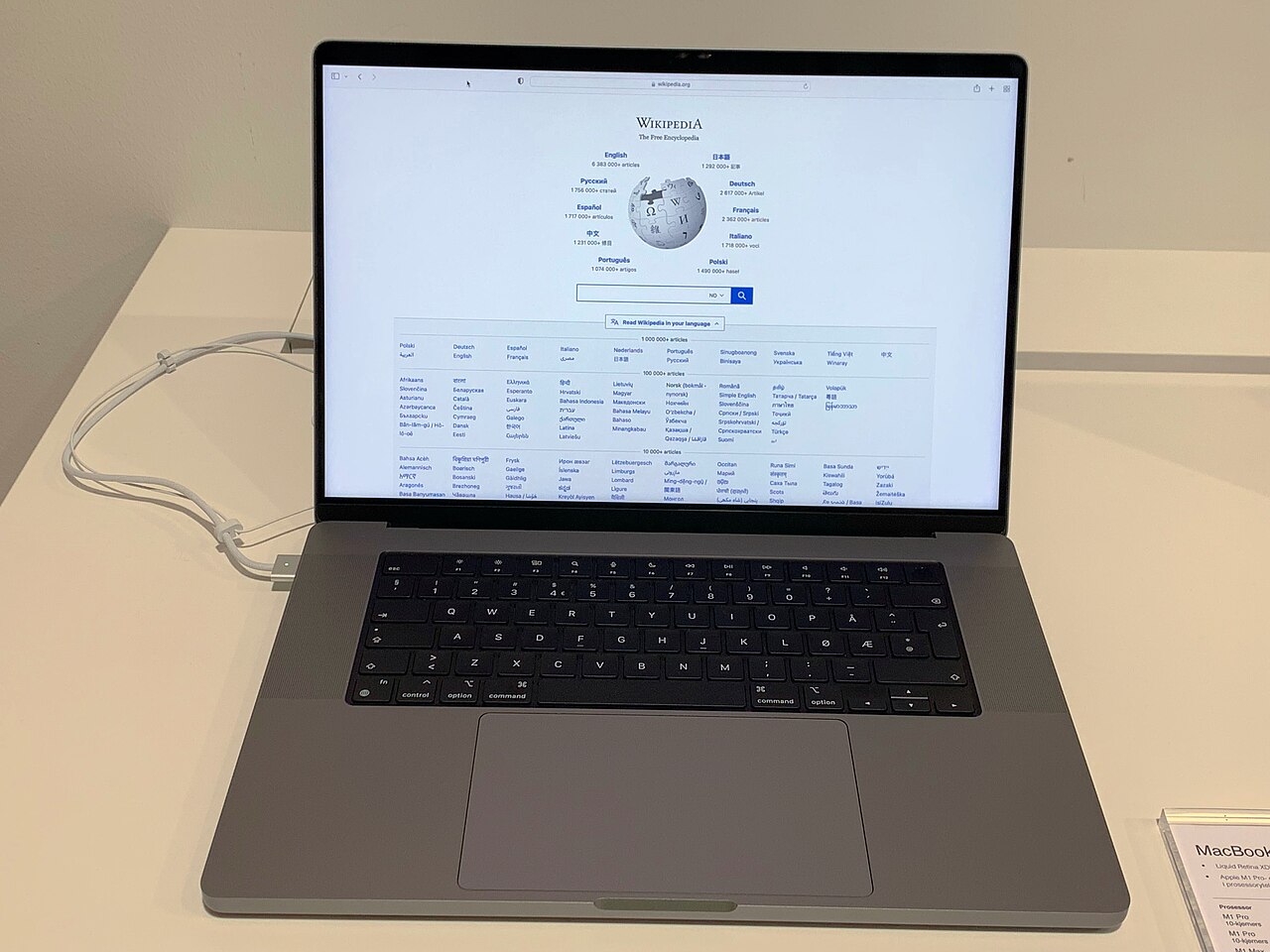
The Touchscreen MacBook Pro is finally here, marking a significant shift for Apple after resisting the trend for 20 years. This new device promises to redefine user experience and productivity.
What to Expect from the Touchscreen MacBook Pro
As Apple prepares to unveil its first-ever touchscreen MacBook Pro, excitement is building among tech enthusiasts and professionals alike. This groundbreaking device is expected to redefine how users interact with their laptops, merging the capabilities of a traditional MacBook with the intuitive nature of touchscreen technology.
Here are some key features to expect from the touchscreen MacBook Pro:
- Enhanced User Interface: The addition of a touchscreen will provide a more interactive experience, allowing users to navigate through applications, documents, and creative software with ease.
- Improved Productivity: With direct touch capabilities, multitasking will become more efficient, enabling users to quickly switch between tasks without relying solely on a trackpad or keyboard.
- Creative Potential: Artists and designers will particularly benefit from the touchscreen, as it opens up new avenues for drawing, editing, and creating visual content directly on the display.
- Compatibility with iOS Apps: The integration of a touchscreen may also allow for better compatibility with iOS applications, expanding the functionality of the MacBook Pro beyond traditional desktop software.
As Apple continues to innovate, the touchscreen MacBook Pro is set to be a game-changer in the laptop market, appealing to a diverse range of users from casual consumers to professionals seeking advanced capabilities.
Key Features of the New Touchscreen MacBook Pro
The introduction of the Touchscreen MacBook Pro marks a significant milestone in Apple’s product lineup. This innovative device combines the power and performance of the MacBook Pro with a versatile touchscreen interface, designed to enhance user experience. Here are some of the key features that enthusiasts and professionals alike can look forward to:
- High-Resolution Display: The new Touchscreen MacBook Pro boasts a stunning Retina display, offering vibrant colors and sharp details, perfect for graphic design and video editing.
- Touch Bar Integration: Building on the previous Touch Bar feature, the touchscreen will allow for more intuitive controls, providing dynamic shortcuts that adapt to the applications in use.
- Enhanced Performance: Equipped with Apple’s latest M-series chips, the device promises improved speed and efficiency, making multitasking seamless.
- Advanced Gesture Controls: Users can take advantage of gesture-based navigation, enabling smoother interactions with applications and reducing reliance on traditional input methods.
- Versatile Software Compatibility: The Touchscreen MacBook Pro will support a wide range of applications, including those specifically designed for touch input, expanding creative possibilities.
With these groundbreaking features, the Touchscreen MacBook Pro aims to redefine how users interact with their laptops, blending traditional computing with modern touch technology.
Why Apple Took 20 Years to Launch Touchscreen
For over two decades, Apple has remained steadfast in its refusal to incorporate touchscreen technology into its MacBook lineup. This decision was rooted in the company’s belief that touchscreens were not conducive to the traditional laptop experience. Apple emphasized that a keyboard and trackpad provided a more efficient and ergonomic means of interaction for users who needed to perform complex tasks.
However, the landscape of computing has significantly evolved, with touch-enabled devices becoming increasingly prevalent in the market. The rise of tablets and 2-in-1 laptops has shifted consumer expectations, leading to a demand for versatility and functionality in a single device.
Moreover, the success of Apple’s iPhone and iPad, which rely heavily on touchscreen interfaces, has further solidified the argument for integrating similar technology into the MacBook range. The company has recognized that the user experience can be enhanced through touch interaction, particularly for creative professionals and everyday users alike.
In light of these changes, the introduction of the Touchscreen MacBook Pro marks a pivotal shift in Apple’s strategy. The company is now poised to offer a more comprehensive computing solution that merges the best of both worlds: the precision of a trackpad with the intuitive nature of a touchscreen.
This evolution reflects Apple’s ongoing commitment to innovation and adaptability in an ever-competitive technology landscape.
Comparing Touchscreen MacBook Pro with Competitors
The introduction of the Touchscreen MacBook Pro marks a significant shift in Apple’s approach to portable computing. With this innovative device, Apple is entering a competitive landscape where several manufacturers have already embraced touchscreen technology.
When comparing the Touchscreen MacBook Pro with its competitors, several factors come into play:
- User Interface: The Touchscreen MacBook Pro offers a seamless integration of macOS with touchscreen capabilities, allowing for a more intuitive user experience. Competing devices often rely on Windows, which may not always provide the same level of optimization for touch interactions.
- Build Quality: Apple’s commitment to premium materials and design is evident in the Touchscreen MacBook Pro. While competitors such as Dell and Microsoft focus on aesthetics, many users find Apple’s build quality to be a step above.
- Performance: Equipped with Apple’s latest silicon chips, the Touchscreen MacBook Pro promises unparalleled performance compared to rivals like Lenovo and HP, which may lag behind in this area.
- Software Ecosystem: The macOS environment provides access to a vast array of applications specifically designed to take advantage of touchscreen functionality, something that competitors may struggle to match.
As Apple makes its mark in the touchscreen market, the Touchscreen MacBook Pro is set to challenge the status quo and redefine user expectations.
via Wikimedia Commons